Many overseas building material dealers, construction contractors and site logistics managers struggle to pick the right truck for construction supply delivery. Building materials cover a wide range, including sand, aggregate, cement, steel rebar, steel pipes, tiles, doors, windows, precast concrete components and timber scaffolding. These materials differ greatly in weight, shape and loading method. There is no one-size-fits-all truck. Buyers need to choose vehicles based on cargo types, hauling distance, site road conditions and unloading requirements. This buying guide helps global customers select suitable trucks for short-distance site transfer, intercity construction supply delivery and cross-border long-haul building material transport.https://www.hjtrailer.com/truck/dump-truck/light-dump-truck.html
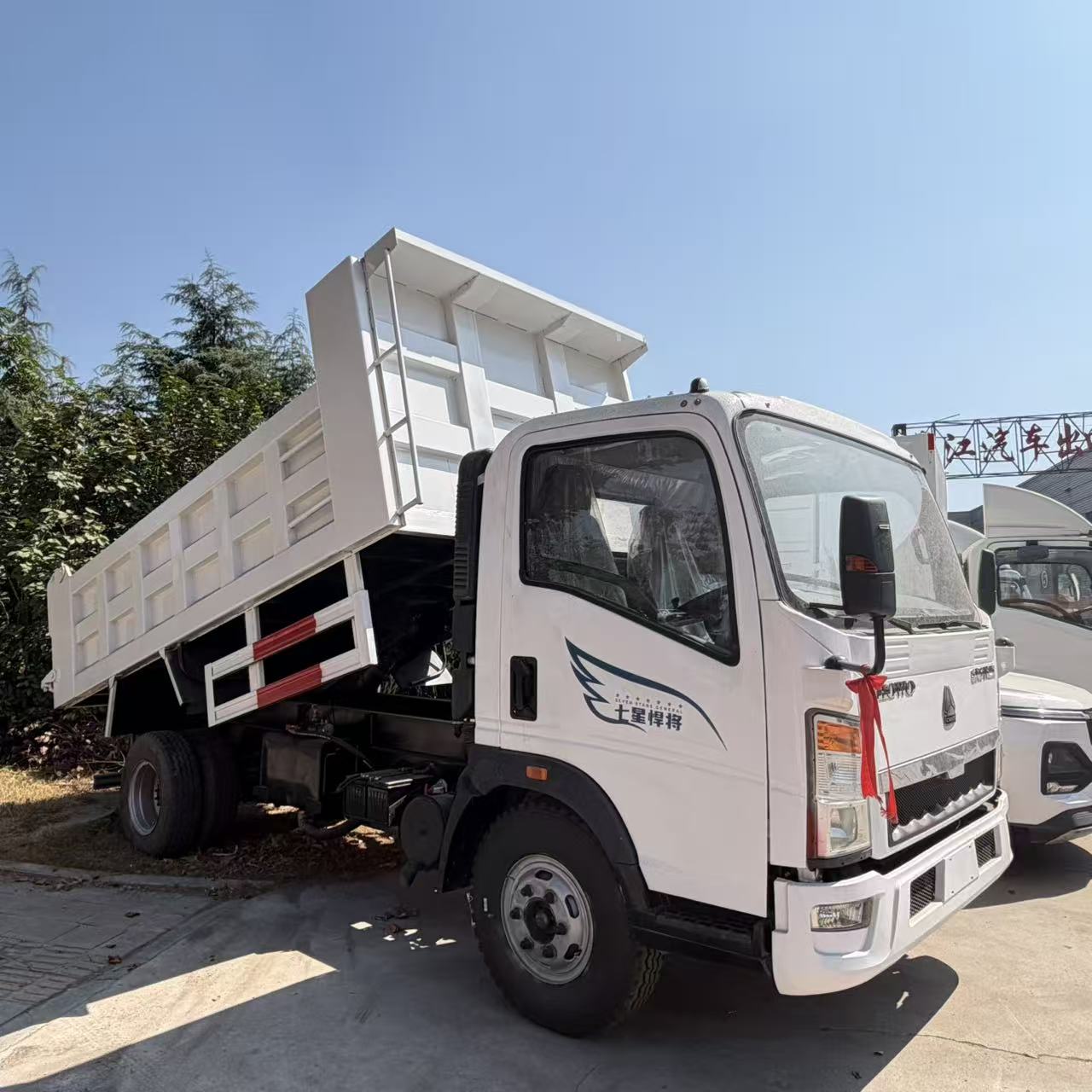
If your main cargo is bulk materials such as sand, gravel, crushed stone, earth and construction waste, a dump truck is the top pick. 6×4 and 8×4 dump trucks feature heavy load capacity, reinforced impact-resistant cargo bodies and hydraulic tipping systems for fast unloading, cutting labor costs at quarries, concrete batching plants and construction sites. For remote sites with rough muddy roads and steep slopes, heavy-duty dump trucks with reinforced chassis and high-torque engines are recommended for better gradeability and off-road performance.
For long and oversized materials like steel rebar, steel pipes, H-beams and precast concrete parts, flatbed trucks, high-side cargo trucks or truck mounted cranes work best. Open flatbeds allow easy loading and unloading of long steel by crane. Truck mounted cranes are multi-functional: the built-in hydraulic boom can lift and place materials once arriving at the site without extra mobile crane rental. This solution is widely popular for steel and pipe delivery on small construction projects and rural infrastructure jobs, favored by building material suppliers and window manufacturers.
For water-sensitive and fragile goods such as ceramic tiles, hardware, insulation panels, plasterboards and sealants, enclosed box trucks are ideal. Closed cargo boxes keep rain and dust away to protect packaged materials from moisture and damage, perfect for last-mile delivery to building shops and home renovation sites. For large-volume long-distance cross-border shipments, tractor heads paired with flatbed semi-trailers or stake semi-trailers offer bigger payload and lower cost per ton for bulk building material logistics.
Several key factors need to be checked before purchasing a construction delivery truck. Axle configuration and rated load must comply with local road transport regulations to avoid overloading. High ground clearance is essential for muddy and stony construction roads to prevent chassis damage. Engine torque, braking performance and cargo body material should also match your cargo. Many suppliers offer LHD and RHD customization to fit traffic rules in Africa, Southeast Asia, Central Asia and other overseas markets.
In short, there is no universal truck for all building material transport. Match the vehicle type to your cargo: dump trucks for bulk aggregate, flatbed or crane trucks for long steel profiles, enclosed box trucks for fragile moisture-sensitive supplies, and tractor semi-trailer combinations for large-volume long-distance hauling. Construction fleets, equipment rental firms and building material traders can select proper trucks according to their business needs to run stable and profitable building material delivery services.