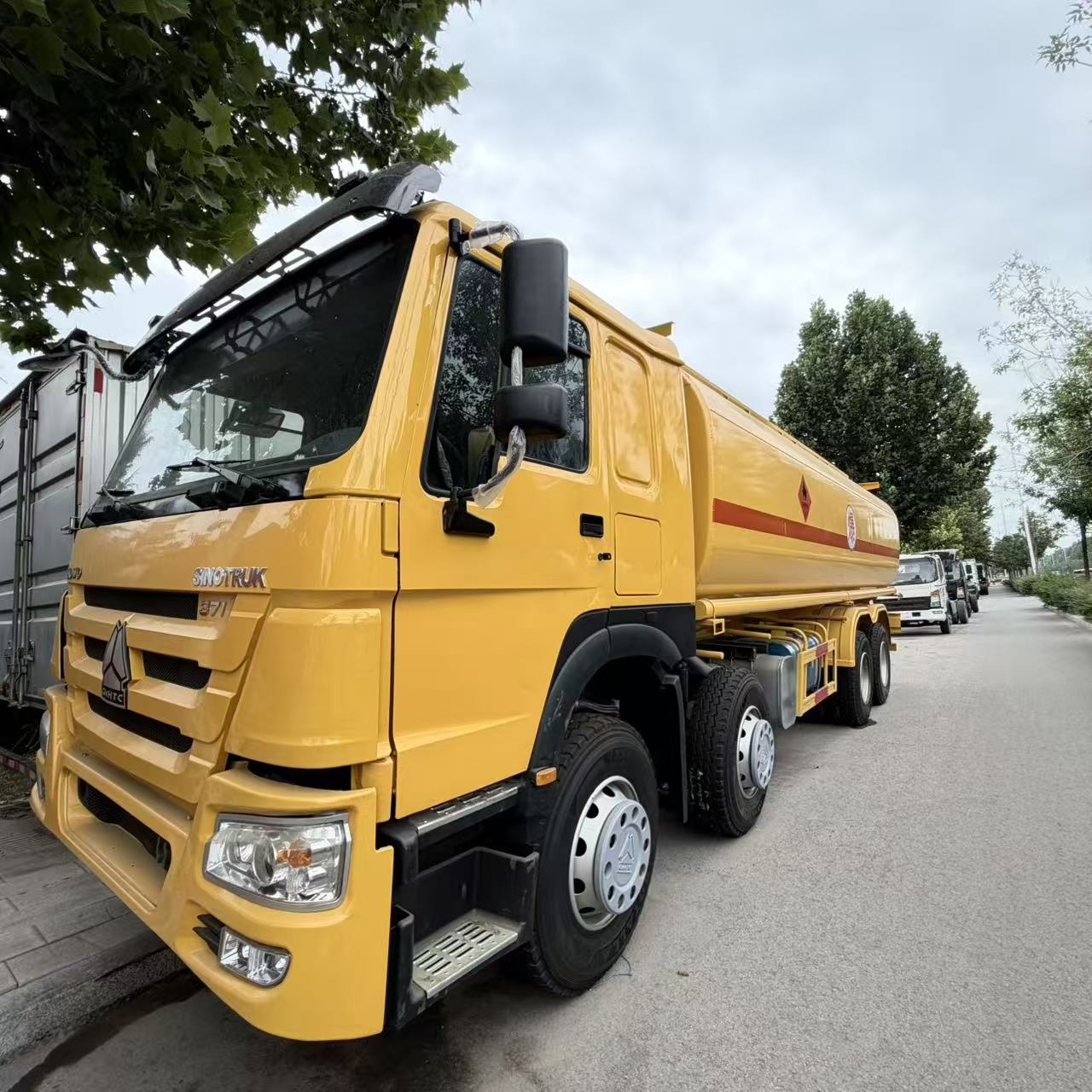
Overseas buyers, logistics fleets and engineering enterprises engaged in chemical trade, hazardous goods logistics and energy supply need to understand that tanker trucks for hazardous liquid transport are vastly different from ordinary fuel tankers or water tank trucks. Hazardous liquids cover a wide range, including fuel oil, chemical solvents, corrosive liquids, liquid chemicals and industrial raw liquids. Each type has unique physical and chemical properties, which impose strict requirements on tank material, sealing structure, safety accessories and chassis configuration. Ordinary tankers cannot carry hazardous liquids, as leakage, corrosion and combustion accidents may occur. This guide covers selection standards, core configurations, compliance rules and working conditions for hazardous liquid tankers to help global buyers make proper purchasing decisions.https://www.hjtrailer.com/truck/tank-truck/howo-8-4-fuel-tanker.html
Tank material is the top priority when selecting a hazardous liquid tanker. Carbon steel tanks with internal anti-corrosion lining are commonly used for gasoline and diesel. Stainless steel tanks or special lining are required for strong corrosive liquids such as hydrochloric acid and sulfuric acid. Aluminum alloy tanks are preferred for certain chemical raw materials for light weight and good chemical resistance. Baffle plates are installed inside the tank to reduce liquid sloshing during braking and cornering, lowering rollover risk, which is a major difference between hazardous tankers and standard water tank trucks. Tank welding is strictly controlled, and weld inspection is mandatory before delivery to prevent leakage under working pressure.
Complete safety accessories are essential for hazardous liquid tankers. Standard equipment includes emergency shut-off valves, safety relief valves, overfill prevention devices, static grounding straps, liquid level gauges, pressure gauges and breather valves. The emergency shut-off valve can quickly cut off fluid flow in case of collision or rollover to avoid massive leakage. Static grounding accessories eliminate static electricity and prevent sparks that may ignite flammable liquids. All valves and pipelines must be made of corrosion-resistant materials compatible with the carried chemicals to avoid aging and leakage after long-term contact.
The chassis of hazardous liquid tankers has strict requirements on braking, speed limit and exhaust protection. Heavy-duty chassis with reliable performance, ABS brake systems and spark arrestors are widely adopted. Speed limit devices are required in many markets. The chassis layout and center of gravity are optimized to reduce rollover risk during high-speed driving and turning. LHD and RHD options are available to meet traffic rules in Africa, Southeast Asia, Central Asia and other regions. Ground clearance and tire specifications can also be adjusted for highway haulage or factory site road transport.
Local transport regulations and certification requirements vary for different hazardous liquids. Flammable liquids, corrosive chemicals and toxic liquids fall into different hazard classes. Many countries enforce mandatory rules on warning signs, on-board protective gear and driver certification. Before purchase, buyers should verify local hazardous goods transport laws and confirm whether tank inspection documents and factory certificates can pass local inspection, to avoid registration failure after vehicle arrival. Periodic tank re-inspection is required in many regions, so maintenance and inspection plans should be confirmed at the time of purchase.
Customization is available for hazardous liquid tankers. Customers can choose tank capacity and multi-compartment structures. Multi-compartment tanks can carry multiple non-reactive liquids at the same time to improve vehicle utilization. Optional upgrades include remote liquid level monitoring, GPS tracking and temperature sensors for fleet management to monitor cargo status and transport routes in real time. Every tanker will undergo hydrostatic testing, air tightness test and chemical compatibility test before delivery to ensure the tank and accessories fit the target liquid.
For hazardous goods fleets, chemical park distribution and oil depot transfer services, compliant hazardous liquid tankers are the foundation of safe operation. Price should not be the only factor during procurement. Tank material, safety fittings and chassis performance should be matched with cargo type, hauling distance and local regulations. Proper vehicle selection and routine maintenance help avoid leakage and fire risks, supporting stable transport of fuel and chemical liquids.