

Payload capacity is a crucial factor when it comes to trucks, as it determines the amount of cargo a truck can carry safely and efficiently. As a truck supplier, understanding the concept of payload capacity and its various influencing factors is essential for providing our customers with the most suitable trucks for their specific needs.
What is Payload Capacity?
Payload capacity refers to the maximum weight of cargo that a truck can carry. It is calculated by subtracting the truck's curb weight (the weight of the truck with all standard equipment, fluids, and a full tank of fuel but without any passengers or cargo) from its gross vehicle weight rating (GVWR). The GVWR is the maximum weight that a truck is designed to carry, including the weight of the truck itself, passengers, cargo, and any additional equipment.

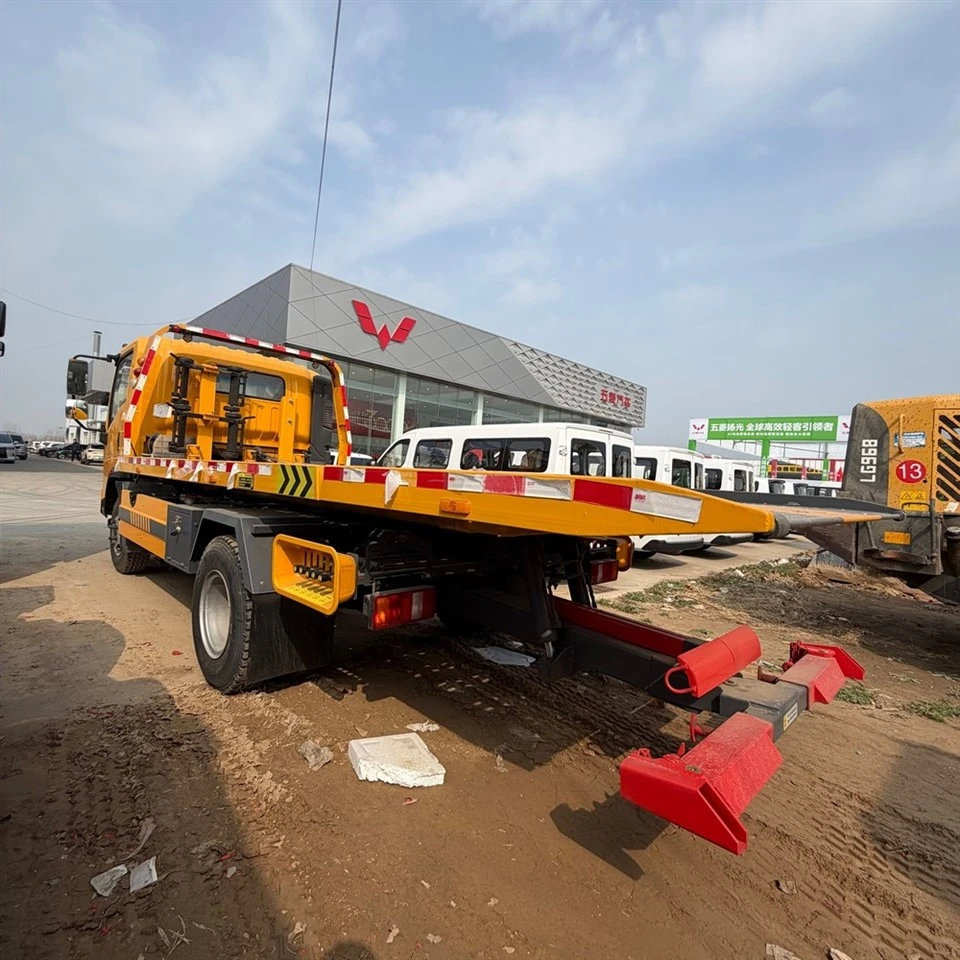
For example, if a truck has a GVWR of 10,000 pounds and a curb weight of 6,000 pounds, its payload capacity is 4,000 pounds (10,000 - 6,000). This means that the truck can carry up to 4,000 pounds of cargo in addition to the weight of any passengers and equipment on board.
Factors Affecting Payload Capacity
Several factors can affect a truck's payload capacity, including:
- Truck Design: The design of the truck, such as the type of chassis, suspension, and axles, can have a significant impact on its payload capacity. Trucks with heavier-duty components are generally able to carry more weight. For instance, a 6×4 Tractor Truck is typically designed to handle larger payloads due to its more robust chassis and multiple axles.
- Engine Power: The engine power of a truck is also an important factor. A more powerful engine can provide the necessary torque to move a heavier load. However, it's important to note that the engine's power must be balanced with the truck's overall design to ensure safe and efficient operation.
- Tire Rating: The tires on a truck play a crucial role in determining its payload capacity. Tires with a higher load rating can support more weight. When selecting a truck, it's important to ensure that the tires are rated to handle the expected payload.
- Legal Restrictions: Local and national regulations can impose limits on the payload capacity of trucks. These restrictions are in place to ensure road safety and prevent damage to infrastructure. It's essential for truck operators to be aware of these regulations and comply with them.
Different Types of Trucks and Their Payload Capacities
There are various types of trucks available, each with its own unique payload capacity. Here are some common types of trucks and their typical payload capacities:
- Single-axle Tanker Truck: A Single-axle Tanker Truck is designed to transport liquids or gases. Due to its single axle, its payload capacity is generally lower compared to multi-axle trucks. However, it offers greater maneuverability in certain situations. The payload capacity of a single-axle tanker truck can range from a few thousand pounds to around 10,000 pounds, depending on its size and design.
- Semi-trailer Tractor: A Semi-trailer Tractor is commonly used for long-haul transportation. It is designed to pull a semi-trailer, which can significantly increase the overall payload capacity. The payload capacity of a semi-trailer tractor can vary widely, but it can typically range from 20,000 to 80,000 pounds or more, depending on the tractor's specifications and the type of trailer it is pulling.
- 6×4 Tractor Truck: As mentioned earlier, a 6×4 Tractor Truck is a heavy-duty truck with a 6×4 drivetrain. This configuration provides greater traction and load-carrying capacity. These trucks are often used for hauling large and heavy loads, such as construction materials or industrial equipment. The payload capacity of a 6×4 tractor truck can be quite high, ranging from 30,000 to over 100,000 pounds.
- Multifunctional Rescue Truck: A Multifunctional Rescue Truck is designed for emergency response and rescue operations. While its primary function is not to carry large payloads, it still needs to be able to transport various equipment and supplies. The payload capacity of a multifunctional rescue truck can vary depending on its specific design and equipment, but it is typically in the range of a few thousand pounds.
- Dual Rear-axle Tanker Truck: A Dual Rear-axle Tanker Truck has two rear axles, which allows it to carry a larger payload compared to a single-axle tanker truck. These trucks are commonly used for transporting large volumes of liquids or gases. The payload capacity of a dual rear-axle tanker truck can range from 15,000 to 30,000 pounds or more, depending on its size and design.
Importance of Payload Capacity in Truck Selection
When choosing a truck, payload capacity is one of the most important considerations. Selecting a truck with the appropriate payload capacity is crucial for several reasons:
- Efficiency: A truck with the right payload capacity can operate more efficiently. If a truck is overloaded, it can put additional stress on the engine, transmission, and other components, leading to increased fuel consumption, higher maintenance costs, and a shorter lifespan. On the other hand, if a truck has too much payload capacity for the intended use, it may be underutilized, resulting in wasted resources.
- Safety: Overloading a truck can pose a serious safety risk. It can affect the truck's handling, braking, and stability, increasing the likelihood of accidents. By choosing a truck with the correct payload capacity, operators can ensure that the truck is safe to operate and comply with safety regulations.
- Cost-effectiveness: Selecting a truck with the appropriate payload capacity can also be cost-effective. It allows operators to maximize the amount of cargo they can transport in each trip, reducing the number of trips required and ultimately saving on fuel, labor, and other costs.
How to Determine the Right Payload Capacity for Your Needs
To determine the right payload capacity for your specific needs, you need to consider several factors:
- Cargo Type: The type of cargo you will be transporting is an important factor. Different types of cargo have different weights and densities. For example, transporting heavy machinery will require a truck with a higher payload capacity compared to transporting lightweight packages.
- Volume Requirements: In addition to the weight of the cargo, you also need to consider its volume. Some cargo may be bulky but not very heavy, while others may be dense and heavy. Make sure to choose a truck that can accommodate both the weight and volume of your cargo.
- Route and Conditions: The route you will be traveling and the road conditions can also affect the payload capacity you need. If you will be traveling on hilly or rough terrain, you may need a truck with a higher payload capacity to ensure it can handle the additional stress.
- Future Growth: It's also important to consider your future growth and expansion plans. If you expect your business to grow and your cargo volume to increase in the future, it may be wise to choose a truck with a slightly higher payload capacity to accommodate these changes.
Conclusion
Payload capacity is a critical aspect of truck selection. As a truck supplier, we understand the importance of providing our customers with trucks that have the appropriate payload capacity for their specific needs. By considering the factors mentioned above and understanding the different types of trucks and their payload capacities, you can make an informed decision when choosing a truck.
If you are in the market for a truck and need assistance in determining the right payload capacity for your business, we are here to help. Our team of experts can provide you with detailed information and guidance to ensure you select the most suitable truck for your requirements. Contact us today to start the procurement process and discuss how we can meet your trucking needs.
References
- "Trucking Industry Handbook." American Trucking Associations.
- "Vehicle Weight and Payload Capacity." National Highway Traffic Safety Administration.