

Storing a grader during the off-season is a crucial aspect that every grader owner or construction company needs to address properly. As a grader supplier, we understand the importance of this process and how it can significantly impact the lifespan and performance of the equipment. In this blog, we'll dive deep into the best practices for grader storage to ensure that your machine remains in top condition when the next working season rolls around.
Why Proper Grader Storage Matters
Before delving into the storage procedures, it's essential to understand why proper storage is so important. A grader is a complex and expensive piece of equipment. When not stored correctly, it can be exposed to various elements such as moisture, dust, and corrosion, which can lead to premature wear and tear, mechanical failures, and decreased efficiency. By following the right storage methods, you can protect your investment, reduce maintenance costs, and extend the lifespan of your grader.
Pre - Storage Preparation
Cleaning the Grader
The first step in storing your grader is a thorough cleaning. This involves removing all dirt, debris, and any other contaminants from the machine's exterior and interior. Use a high - pressure washer to clean the body, blade, wheels, and undercarriage. Pay special attention to hard - to - reach areas where dirt can accumulate. For the engine compartment, use a degreaser to clean the engine and its components. A clean grader is less likely to develop rust and corrosion during storage.
Inspecting for Damage
Once the grader is clean, conduct a comprehensive inspection. Check the blade for any signs of wear or damage, such as cracks or excessive dullness. Inspect the tires for punctures, uneven wear, and proper inflation. Examine the hydraulic hoses for leaks or signs of deterioration. Look at the engine, transmission, and other mechanical components for any loose parts, leaks, or abnormal noises. Address any issues found during the inspection before storing the grader.
Fluid Management
- Fuel: Fill the fuel tank to the brim. This helps prevent condensation from forming inside the tank, which can lead to water contamination in the fuel. Add a fuel stabilizer to the tank according to the manufacturer's instructions. The stabilizer will keep the fuel fresh during the off - season.
- Engine Oil: Change the engine oil and oil filter. Fresh oil will protect the engine components from corrosion and wear during storage.
- Hydraulic Fluid: Check the hydraulic fluid level and replace it if it's dirty or has been contaminated. Clean the hydraulic filters as well.
- Coolant: Ensure that the coolant level is correct and that the coolant mixture provides adequate protection against freezing. If necessary, drain and refill the coolant system.
Battery Maintenance
Disconnect the battery from the grader and clean the battery terminals with a wire brush to remove any corrosion. Store the battery in a cool, dry place and charge it periodically during the off - season. A fully charged battery is less likely to freeze and will have a longer lifespan.

Choosing the Right Storage Location
Indoor Storage
If possible, storing your grader indoors is the best option. A climate - controlled warehouse or a covered shed will protect the machine from harsh weather conditions such as rain, snow, and extreme temperatures. Indoor storage also reduces the risk of damage from falling debris and vandalism. Make sure the storage area is well - ventilated to prevent the buildup of moisture and harmful fumes.
Outdoor Storage
In cases where indoor storage is not available, outdoor storage can be an alternative. However, it's important to take extra precautions. Choose a flat, elevated area that is well - drained to prevent water from pooling around the grader. Cover the grader with a high - quality waterproof tarp to protect it from the elements. Secure the tarp tightly to prevent it from being blown away by strong winds.
Additional Storage Tips
Lubrication
Before storing the grader, lubricate all moving parts, including the blade pivot points, bearings, and hinges. This will prevent the parts from seizing up during storage. Use a high - quality lubricant recommended by the grader manufacturer.
Preventing Rodent Damage
Rodents can cause significant damage to a stored grader by chewing on wires, hoses, and insulation. To prevent this, place rodent traps or repellents around the storage area. Seal any openings or holes in the grader where rodents could enter.
Documentation
Keep all maintenance records, operation manuals, and warranty information in a safe place. This documentation will be valuable when it's time to prepare the grader for the next working season.
Types of Graders and Their Specific Storage Considerations
When it comes to graders, there are different types, each with its own unique features and storage needs.
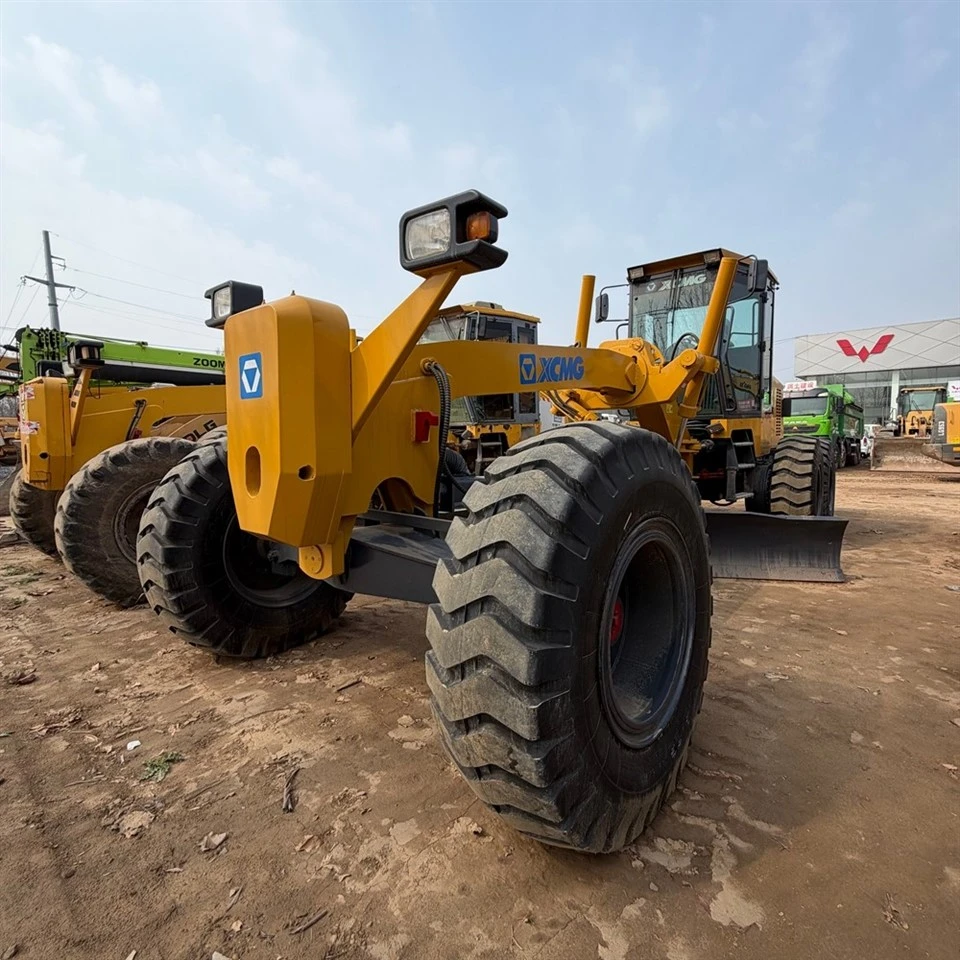
Six - wheel Grader
Six - wheel graders are known for their enhanced stability and traction. Their additional wheels increase the contact area with the ground, which can be beneficial in certain working conditions. When storing a six - wheel grader, pay close attention to the tire pressure. Uneven tire pressure can cause the tires to develop flat spots over time. Also, because of their larger size and more complex structure, ensure that all the hydraulic systems and linkages are properly lubricated and protected from moisture.
Four - wheel Grader
Four - wheel graders are more maneuverable and are often used in smaller construction projects. When storing a four - wheel grader, check the steering system for any signs of looseness or damage. The blade angle adjustment mechanism in a four - wheel grader is also crucial, so make sure it's clean and lubricated to prevent rust and ensure smooth operation when the grader is put back to work.
Preparing the Grader for the Next Season
As the off - season comes to an end, it's time to prepare the grader for the next working season. Here are the steps you should take:
- Inspect the Grader Again: Conduct another thorough inspection of the grader to check for any issues that may have occurred during storage. Look for signs of rust, corrosion, or damage.
- Fluid Checks and Changes: Check the levels of all fluids, including fuel, engine oil, hydraulic fluid, and coolant. top up or replace any fluids as needed.
- Battery Reconnection: Reconnect the battery to the grader and charge it fully if necessary.
- Test Runs: Before starting any major construction work, perform a test run of the grader. Check the engine, transmission, hydraulic system, and blade operation. Listen for any abnormal noises or vibrations.
Contact for Purchase and Consultation
If you're in the market for a new grader or need more information on grader storage and maintenance, we're here to help. As a leading grader supplier, we offer a wide range of high - quality graders to meet your specific construction needs. Whether you need a Six - wheel Grader or a Four - wheel Grader, we can provide you with the best solutions and expert advice.
Reach out to us for more details and to start a purchase negotiation. We'll work with you to ensure that you get the most suitable grader at a competitive price.
References
- Construction Equipment Operator's Manuals.
- Industry - standard guidelines on heavy equipment maintenance and storage.
- Research on the impact of improper storage on grader performance.