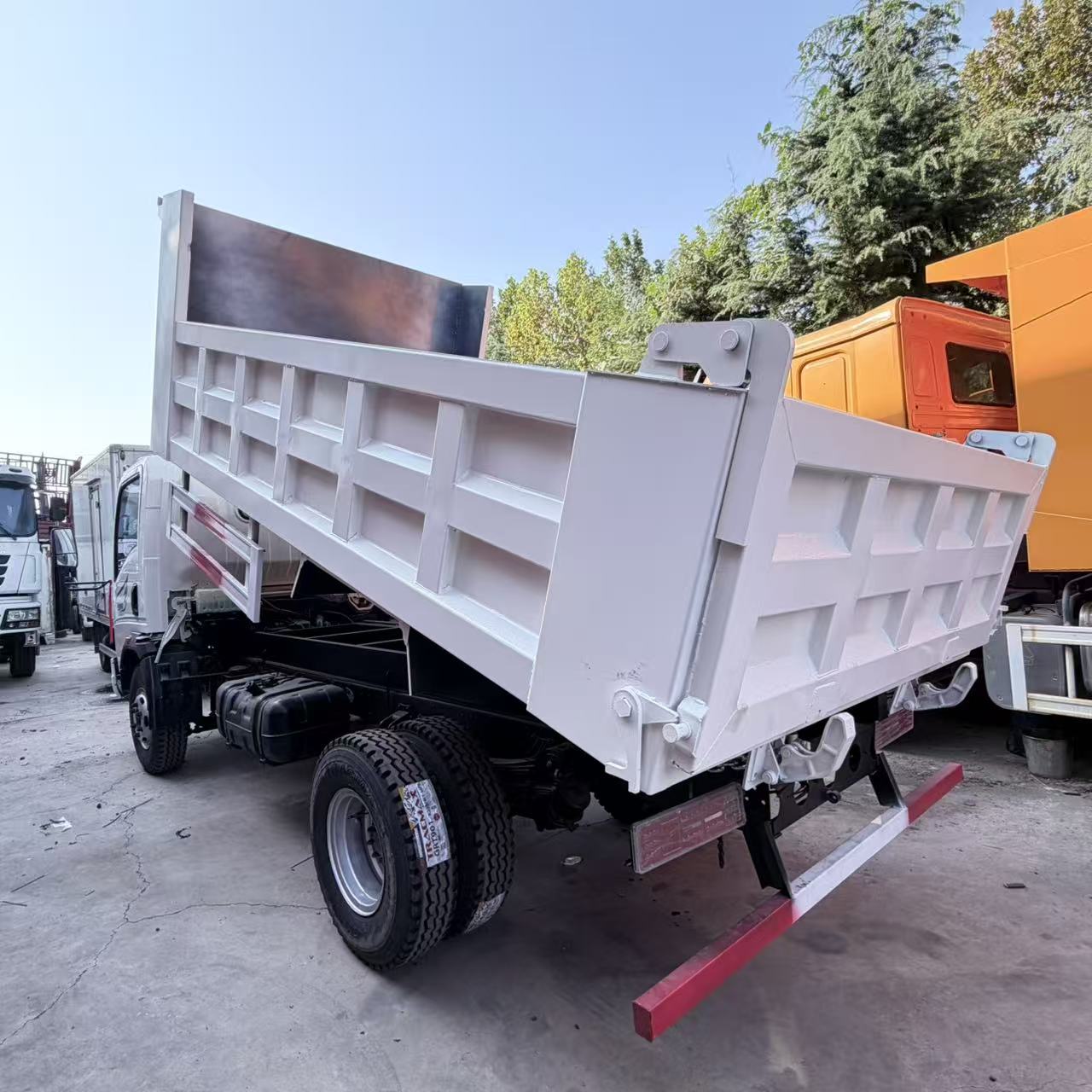
A tipper truck, also called dump truck, is widely used for mining, quarrying, road construction and earthwork projects in Africa and the Middle East. Slow lifting of the tipper body is a frequent hydraulic fault. The cargo box rises sluggishly, lifts intermittently, or cannot reach the top position. This problem reduces unloading efficiency and affects the construction schedule. This guide covers common causes, inspection steps and practical fixes for slow lifting on HOWO, SHACMAN and FAW tipper trucks, including both LHD and right hand drive tipper truck.https://www.hjtrailer.com/truck/dump-truck/shacman-delong-light-dump-truck.html
1. Insufficient hydraulic oil or low oil level
The lifting system relies on hydraulic oil to transfer pressure. If the oil level is below the standard mark, the pump cannot absorb enough oil, resulting in slow lifting. Dirty, deteriorated or thin hydraulic oil will also reduce working pressure.
- Inspection: Check the oil level on the hydraulic tank dipstick; observe oil color and impurities.
- Solution: Add the specified hydraulic oil to the normal range. Replace oil and return filter if the oil turns black, smells burnt or contains sediment.
2. Clogged hydraulic filter and oil suction filter
The suction filter and return filter block easily by dust, metal particles and dirt, limiting oil flow. Insufficient oil flow directly slows down the lifting speed of the dump body.
- Inspection: Remove and check the filter element for sludge and blockage.
- Solution: Clean the filter screen; replace the filter element if it is heavily blocked. Do not run the tipper without filters.
3. PTO (Power Take-off) failure or improper operation
The PTO drives the hydraulic pump. If the PTO does not fully engage, the hydraulic pump runs at low efficiency and cannot output enough flow. Worn PTO gears or loose linkage will also cause this issue.
- Inspection: Confirm the PTO engages completely; listen for abnormal grinding noise.
- Solution: Adjust the PTO control linkage; repair or replace damaged PTO assembly. Make sure the gearbox is in neutral before engaging PTO.
4. Hydraulic pump internal leakage or wear
The hydraulic pump is the core power component. Long-term use with dirty oil causes internal wear and clearance increase. Internal leakage reduces output flow and pressure, making the tipper body rise slowly.
- Inspection: Test system pressure with a pressure gauge. Low pressure under rated load indicates pump leakage.
- Solution: Repair the pump or replace the hydraulic pump. Avoid running the pump with contaminated oil.
5. Relief valve pressure set too low
The relief valve limits the maximum hydraulic pressure. If the setting pressure is too low, the valve opens early and releases pressure, so the cylinder cannot get enough power for fast lifting.
- Inspection: Measure system pressure and compare with the factory parameter.
- Solution: Adjust the relief valve pressure to the manufacturer's standard value. Do not set pressure beyond the rated limit.
6. Hydraulic cylinder leakage
The lifting cylinder (hoist cylinder) has piston seals. Aging, scratched seals or cylinder wall damage will cause internal leakage. Part of the oil flows back inside the cylinder instead of pushing the piston.
Inspection: Check oil leakage outside the cylinder; observe whether the body sinks automatically after lifting.
Solution: Replace the cylinder sealing kit. Replace the whole hoist cylinder if the cylinder barrel is scratched.
7. Blocked or narrow hydraulic pipeline
Kinked pipes, blocked oil pipes and undersized hoses restrict oil circulation. Poor flow slows down the lifting action.
- Inspection: Check all hydraulic hoses, hard pipes and joints for bending, deformation and blockage.
- Solution: Straighten or replace damaged hoses; clean blocked pipelines.
8. Overloaded cargo or stuck cargo box
Excessive overload exceeds the rated lifting capacity. Sticky mud, rock jamming between the box and chassis also creates extra resistance.
- Inspection: Check whether the cargo weight exceeds the tipper's rated load; check for stuck debris.
- Solution: Unload excess materials; clean mud and stones between the tipper body and subframe. Do not overload the dump truck.
Recommended inspection sequence
- Check whether the tipper is overloaded and whether the box is stuck
- Check hydraulic oil level and oil quality
- Check filters for blockage
- Verify PTO engagement and operation
- Test hydraulic system pressure
- Check relief valve setting
- Inspect hydraulic pump and hoist cylinder for leakage
- Check pipelines and hose condition
Daily maintenance tips to prevent slow lifting
- Change hydraulic oil and filters on schedule
- Keep the hydraulic tank sealed and dust-proof
- Check PTO linkage and lubricate regularly
- Avoid frequent lifting under full overload
- Inspect cylinder seals and hoses before heavy earthwork
If you are looking for reliable mining tipper truck or construction dump truck for Africa and Middle East projects, contact us for chassis configuration and quotation.