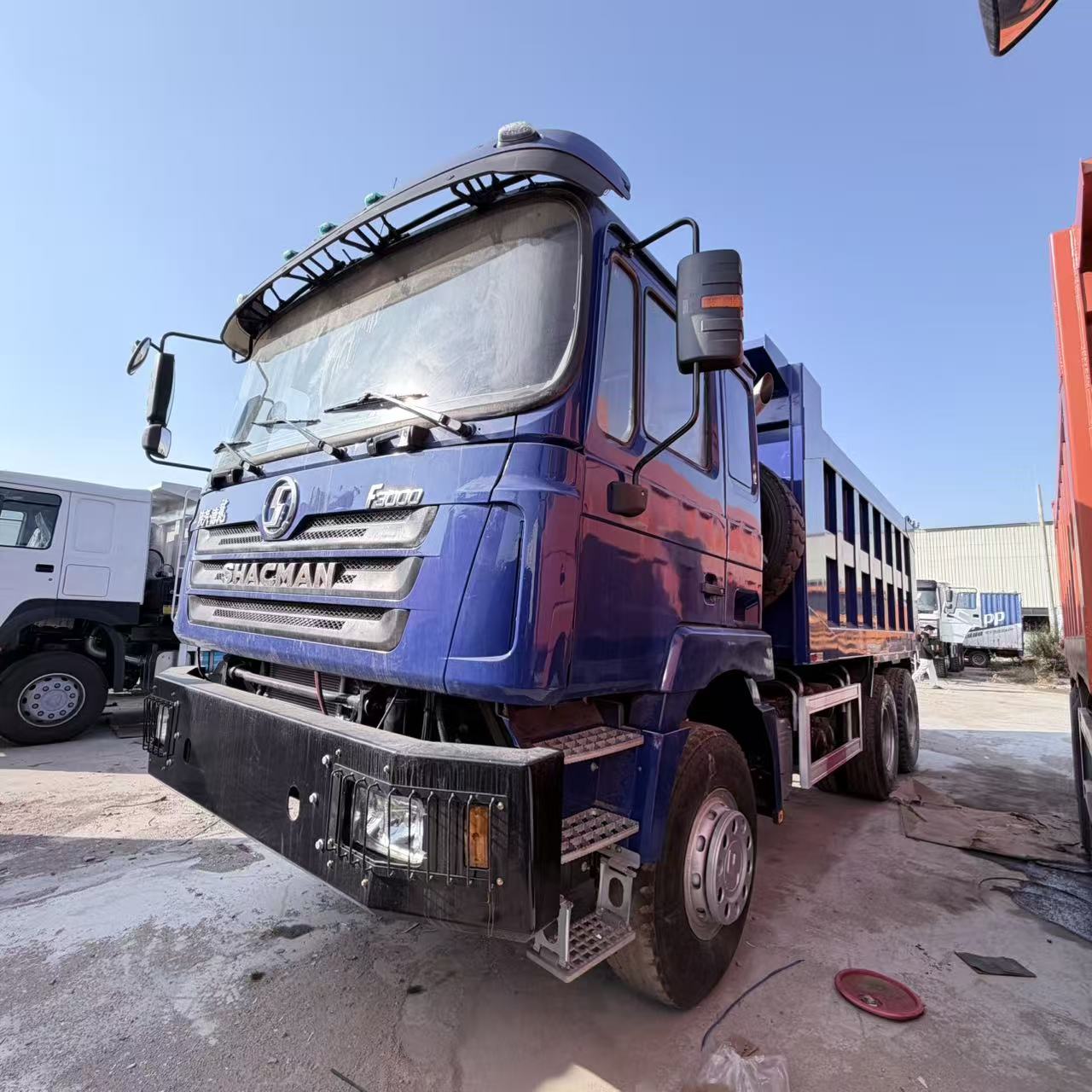
A mining dump truck, also called off-highway dump truck or mining tipper truck, works on rough, unpaved haul roads in open pit mines, quarries and aggregate yards. Passability is the core index that decides whether the mining truck can cross ruts, rocks, muddy slopes and uneven terrain without chassis collision or skidding. Many buyers from Africa and Middle East only focus on payload capacity while ignoring passability parameters, which easily causes frequent stuck issues and low transport efficiency.
The key geometric parameters for passability include ground clearance, approach angle, departure angle and wheelbase. Higher ground clearance helps the mining dump truck bypass protruding stones and road bumps and avoid scraping the bottom chassis. Larger approach angle and departure angle guarantee smooth climbing and descending on ramp sections. Shortened wheelbase reduces the minimum turning radius, which is vital for narrow mine tunnels and narrow haul roads.
Power and traction system also greatly affect off-road performance. Strong low-torque diesel engine, heavy-duty transmission and differential lock work together. When one side tire slips on mud or loose gravel, the differential lock distributes power to the wheels with grip. Deep tread mining tires increase contact friction, reduce sinking on soft soil. Suspension with heavy leaf springs absorbs continuous vibration on bumpy mine roads and keeps the chassis stable under full load.
Gradeability is another critical factor. It represents the maximum slope the loaded mining tipper truck can climb steadily. For open-pit mining projects, continuous uphill haulage is common. Trucks with poor gradeability will lose speed, stall or slide backward. When selecting mining dump trucks, you should match passability indexes with local mine road conditions, mud season and slope gradient. Reasonable passability design cuts downtime, reduces repair cost and improves the whole mining haul cycle efficiency.