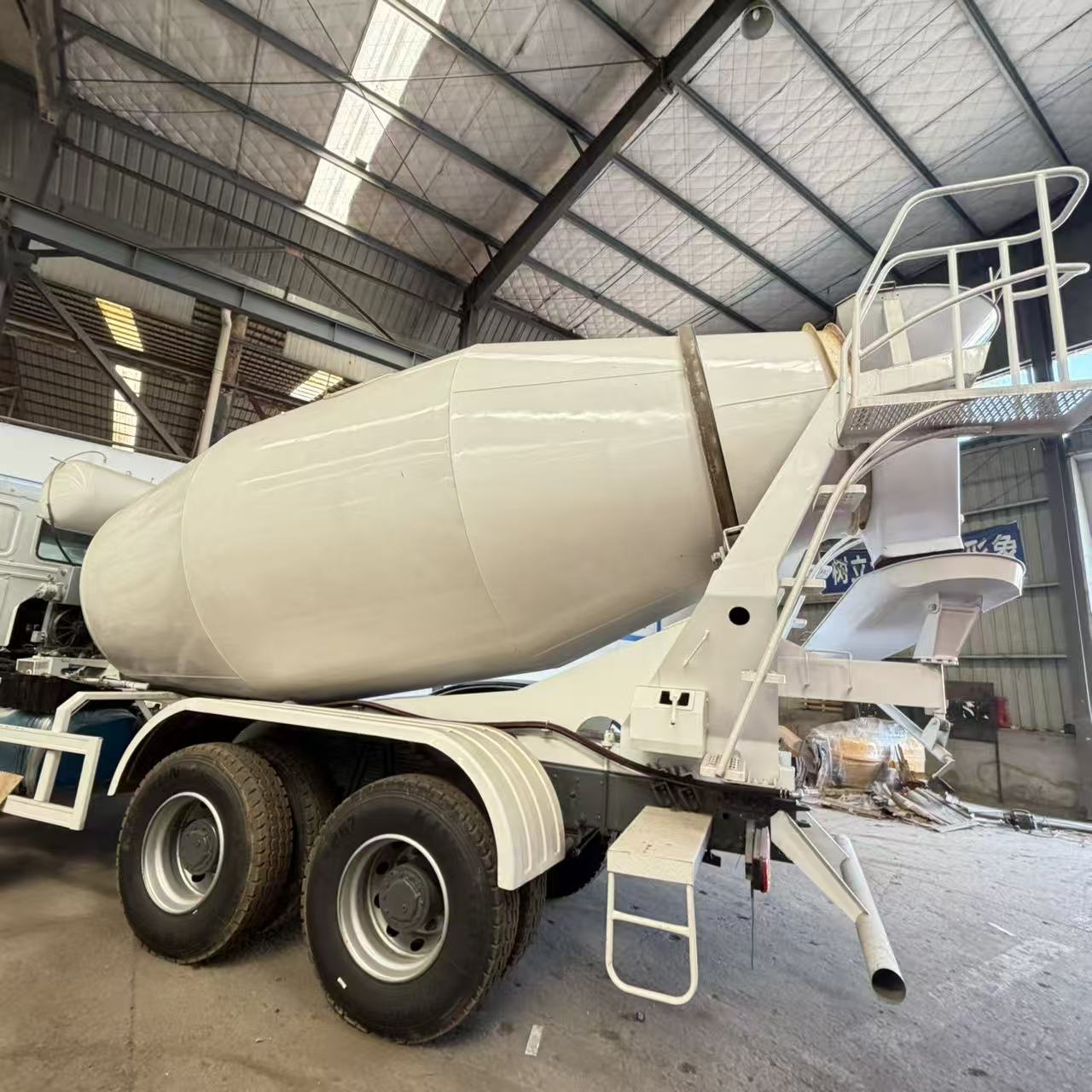
The reducer is the core power transmission component of concrete mixer truck. It undertakes the task of reducing speed and increasing torque to drive the mixing drum to rotate stably. As one of the highest-load parts of construction mixer trucks, the reducer works continuously in high-intensity, dusty and vibrating working environments. Scientific and standardized maintenance cycles can effectively reduce gear wear, avoid oil leakage, abnormal noise and gear locking faults, and greatly extend the service life of the mixer drum drive system. This article introduces the standard maintenance cycle and key maintenance points for mixer truck reducers.
-
Initial Running-in Maintenance (New Truck / New Reducer)
For brand-new concrete mixer trucks or newly replaced reducers, the running-in maintenance cycle is strictly fixed within the first 300 working hours. During the running-in period, tiny metal debris will be produced from gear meshing. It is necessary to replace the reducer lubricating oil completely and clean the internal oil filter. This step removes abrasive impurities generated during operation, prevents gear surface scratching, and lays a stable foundation for long-term high-load operation of the reducer.
-
Regular Lubricating Oil Replacement Cycle
Lubricating oil is the key to ensure smooth operation of reducer gears and bearings. Under normal construction working conditions, the standard oil replacement cycle for mixer truck reducers is every 1500 working hours or 6 months, whichever comes first.
For vehicles working in harsh environments such as long-term high-load mixing, high temperature, heavy dust and frequent start-stop operations, the maintenance cycle needs to be shortened to 1000 working hours or 3 months. Timely oil replacement ensures good lubrication, heat dissipation and wear resistance of the reducer, avoiding oil deterioration leading to gear abrasion and reduced transmission efficiency.
-
Daily Inspection Cycle (Short-Cycle Maintenance)
Operators need to perform a full visual inspection of the mixer reducer every day before starting work. The daily inspection items include reducer oil level check, oil seal leakage observation, abnormal vibration and noise judgment, and tightness of fixing bolts. Insufficient oil level will cause dry friction and gear burning, while slight oil leakage will gradually lead to power attenuation of the concrete transport mixer.
-
Medium-Term Comprehensive Maintenance Cycle
Every 3000 working hours or one year, the mixer truck reducer needs a comprehensive disassembly and inspection maintenance. Check the wear degree of internal gears, bearings and splines, detect gear gap and meshing condition, replace aging oil seals and worn accessories, and thoroughly clean the internal oil circuit and sediment. Medium-term maintenance can eliminate potential hidden dangers and avoid sudden failure during peak construction periods.
-
Seasonal Special Maintenance Cycle
In high-temperature summer seasons, the reducer is prone to oil thinning and heat decay. It is necessary to check oil quality and heat dissipation conditions every 1 month. In low-temperature winter environments, replace low-temperature resistant lubricating oil regularly to prevent poor fluidity caused by low temperature, which leads to insufficient lubrication and increased operating resistance of the construction mixer truck transmission system.
Common Faults Caused by Delayed Maintenance
Failure to follow the standard reducer maintenance cycle will easily cause a series of problems: gear abnormal noise, mixing drum jitter, slow rotation speed, hydraulic oil leakage, gear tooth surface pitting and even gear locking. These faults will directly cause the mixer truck to fail to work normally, delay construction progress and generate high maintenance costs.
Summary
The layered and standardized maintenance cycle is the most effective way to protect the mixer truck reducer. Strictly implementing running-in maintenance, daily inspection, regular oil replacement and annual overhaul can maximize the working stability and service life of the reducer, reduce vehicle failure rate, and improve the overall operational efficiency of engineering fleets.