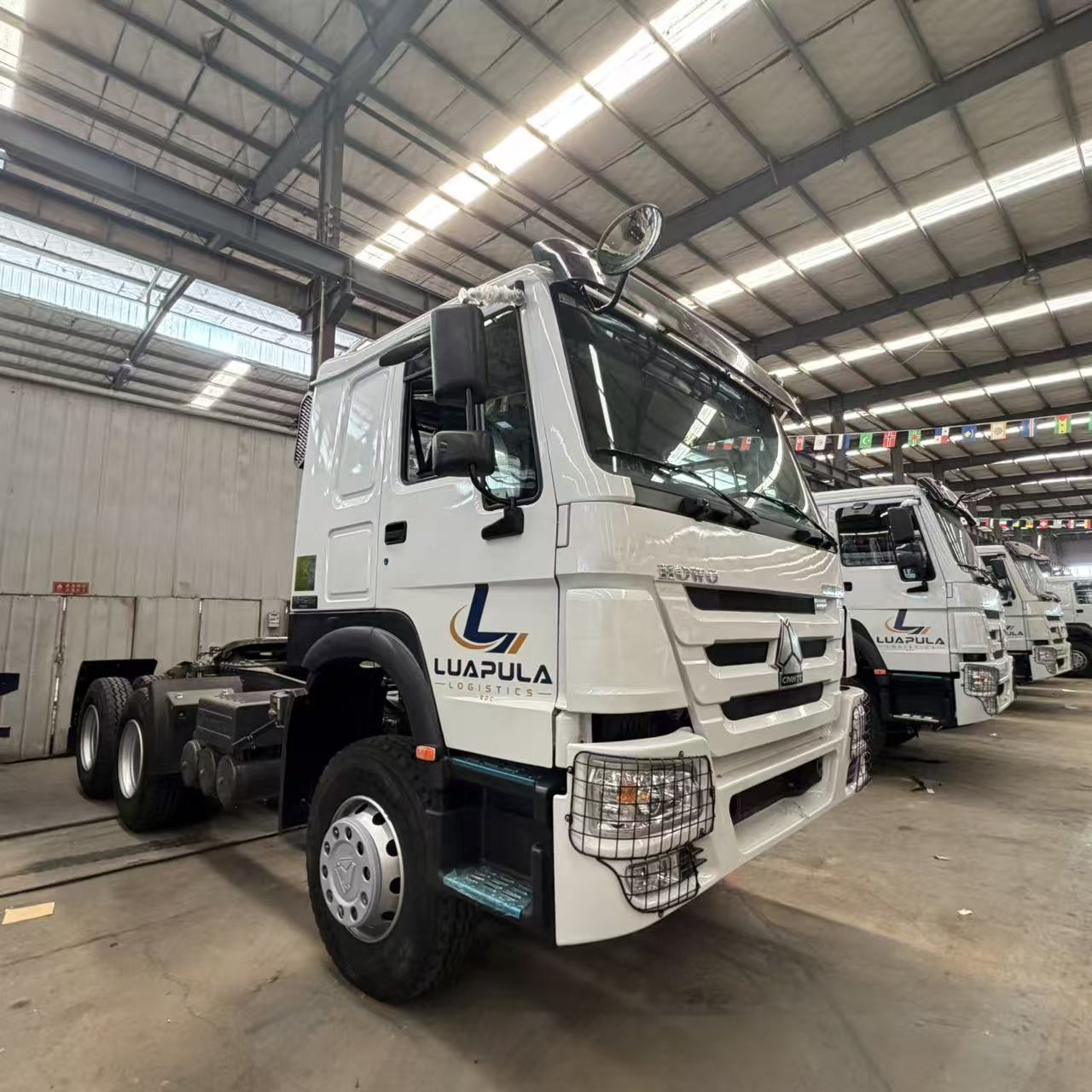
The clutch system is the core power transmission component of truck tractor heads and heavy duty semi-trailer tractors. It undertakes the tasks of power separation, combination and smooth shifting during vehicle driving. Long-time heavy-load transportation, frequent start-stop and improper driving habits are prone to cause clutch system failures. If minor faults are not eliminated in time, it will lead to gearbox damage, power weakness, and even vehicle shutdown, seriously affecting the transportation efficiency of logistics fleets. This article summarizes common faults and professional diagnosis methods fortractor head clutch systems.
-
Clutch Slippage Fault & Diagnosis
Clutch slippage is the most common fault for heavy-duty tractor heads. During acceleration or climbing, the engine speed rises rapidly, but the vehicle speed increases slowly, and the vehicle feels weak with obvious burning smell in serious cases.
Diagnosis causes: Worn clutch friction plate, thinning friction material, excessive gap of clutch pressure plate, weak pressure spring elasticity, or oil contamination on the friction surface. Long-term overloading and half-clutch driving are the main inducements of slippage faults. Regular inspection of friction plate thickness and pressure plate tightness is the key to troubleshooting tractor truck clutch slippage.
-
Clutch Vibration and Jitter Fault & Diagnosis
When starting the tractor head slowly, the vehicle body jitters obviously, and the power combination is unstable, which leads to unsmooth starting. This fault mostly occurs in vehicles that have been used for a long time or often run with heavy loads.
Diagnosis causes: Deformation of clutch pressure plate and driven plate, uneven wear of friction plate, loose clutch fixing bolts, or damaged shock absorption spring inside the driven plate. In addition, abnormal chassis suspension and inconsistent engine foot glue will also cause auxiliary clutch jitter during power engagement.
-
Clutch Separation Incomplete Fault & Diagnosis
The driver cannot shift gears smoothly, and there is obvious gear collision noise during shifting. After releasing the clutch pedal, the power cannot be completely cut off, resulting in difficult parking and gear shifting failure.
Diagnosis causes: Excessive clutch pedal free travel, insufficient stroke of clutch release cylinder, deformed release bearing, or blocked clutch hydraulic pipeline. For hydraulic clutch systems of export tractor heads, air accumulation in the oil circuit is also a common reason for incomplete separation.
-
Abnormal Clutch Noise Fault & Diagnosis
Obvious metal friction noise or idle noise appears when stepping on or releasing the clutch pedal. The noise changes with the clutch pedal stroke, which is different from engine and gearbox noise.
Diagnosis causes: Damaged and worn clutch release bearing, lack of lubricating grease, loose clutch diaphragm spring, or abnormal friction between driven plate and shell. Timely replacement of worn bearings can effectively solve abnormal noise faults and avoid secondary damage to the clutch assembly.
-
Clutch Pedal Stuck and Inflexible Fault & Diagnosis
The clutch pedal is stuck, rebound slowly or operate inflexibly, which affects the driver's shifting operation. This fault is mostly related to hydraulic and mechanical transmission parts.
Diagnosis causes: Blocked clutch master cylinder and slave cylinder, aging and damaged hydraulic oil pipe, insufficient hydraulic oil, or rust and jamming of clutch shift fork. Regular replacement of clutch hydraulic oil and cleaning of the oil circuit can maintain flexible clutch operation.
Daily Maintenance & Fault Prevention Tips
Avoid long-term half-clutch driving and frequent sharp start-stop operations; strictly prohibit overloading of heavy duty tractor trucks; regularly check clutch hydraulic oil level and pipeline tightness; replace worn friction plates and bearings in advance. Standard daily maintenance can effectively reduce clutch system faults, extend the service life of power transmission components, and ensure stable and safe operation of semi-trailer tractor fleets.https://www.hjtrailer.com/truck/tractor-truck/howo-semi-tractor-trailer.html