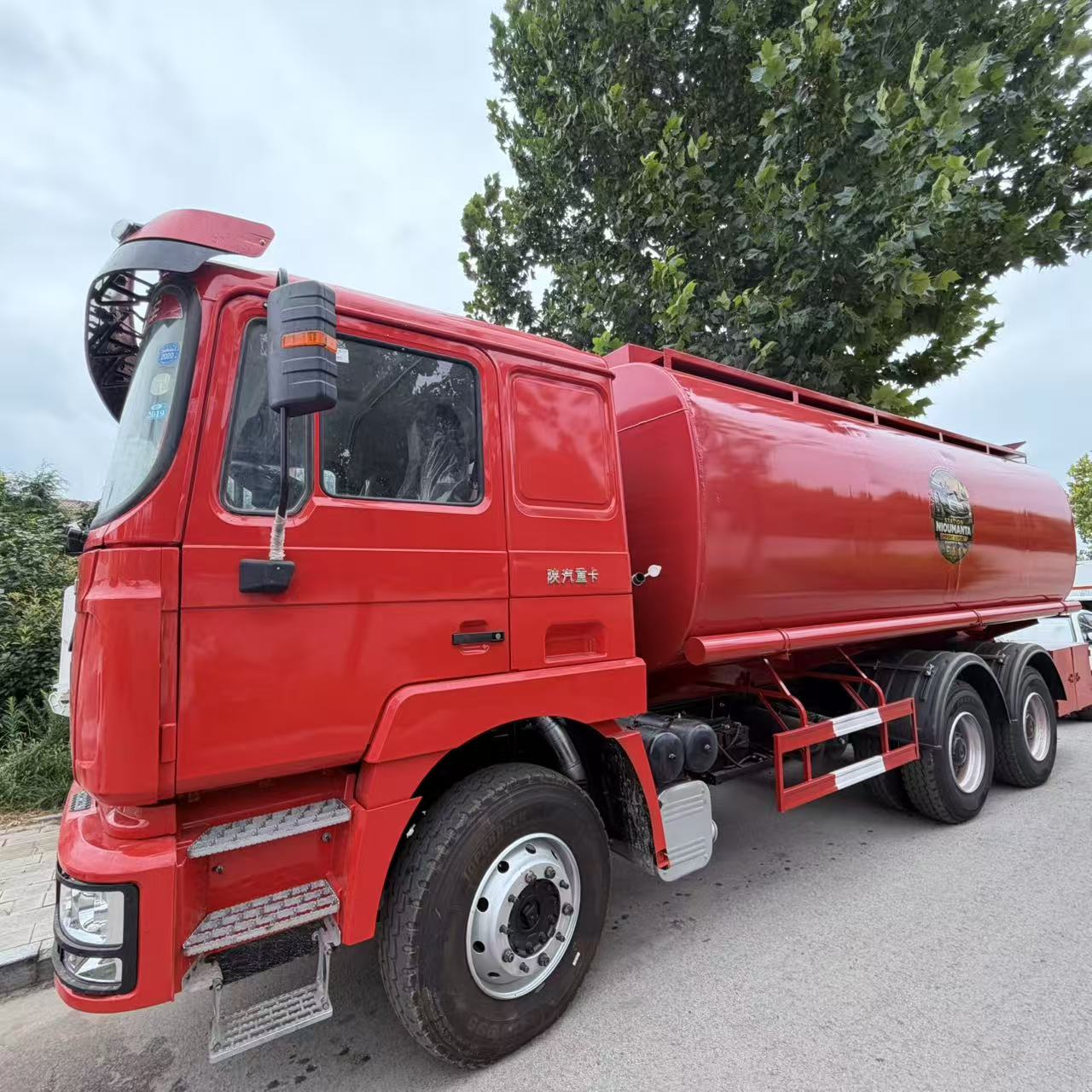
The control valve is the core operating component of sprinkler trucks and water spray sanitation trucks. It controls the switching, water volume and spray mode of water guns, side sprinklers, front flushing and rear spraying systems. Most water tanker trucks work in dusty roads and complex construction environments, so the control valve is easily affected by sediment, dirty water and dust. Daily standardized maintenance can effectively prevent valve jamming, water leakage, poor water output and operating failure, ensuring stable working performance of the sanitation sprinkler truck.https://www.hjtrailer.com/truck/water-tanker/8-4-water-tank-truck.html
1. Daily Cleaning and Surface Inspection
After each watering operation, clean the surface of the sprinkler truck control valve and valve body gaps. Long-term accumulation of dust, sediment and mud will cause abrasion to the valve core and sealing ring. Check the valve body for water leakage, rust and loose joints. Slight seepage at the valve port indicates aging sealing parts or incomplete valve closing, which needs timely inspection and adjustment. Regular cleaning can greatly reduce the failure rate of the hydraulic and water control system ofsanitation water trucks.
2. Regular Internal Flushing Treatment
The water source used by sprinkler trucks usually contains sediment and fine impurities, which easily deposit inside the control valve and pipeline. It is necessary to flush the control valve system with clean water every 2 to 3 working days. Open all water outlet valves repeatedly to discharge internal sediment and blockages, ensuring smooth flow of the valve channel. This maintenance step can effectively prevent valve blockage, insufficient water pressure and unsmooth water switching.
3. Lubrication and Flexible Operation Maintenance
The manual control handle and valve shaft of the sprinkler control valve need regular lubrication. Apply professional anti-rust lubricating oil every one week to keep the valve shaft flexible. Avoid rigid rotation and forced switching, which may cause valve core deformation and thread damage. Flexible operation maintenance can extend the service life of the control assembly and avoid operating jamming during road watering and dust reduction work.
4. Inspection of Sealing Ring and Gasket
Water leakage of the control valve is mostly caused by aging and wear of rubber gaskets and sealing rings. During daily maintenance, check the tightness of all sealing parts. Replace hardened, deformed or cracked sealing accessories in time. For export sprinkler trucks working in high temperature and high humidity areas, the sealing parts are more prone to aging, so the inspection frequency should be appropriately increased.
5. Seasonal Anti-freezing and Anti-corrosion Maintenance
In winter low-temperature environments, residual water inside the control valve will freeze and cause valve body cracking and core damage. After daily operation, completely drain the remaining water in the valve body and pipeline to realize dry storage. In rainy and humid seasons, clean the valve body surface regularly and apply anti-rust oil to prevent oxidation and corrosion, ensuring the long-term stability of the water tanker control system.
6. Regular Functional Debugging
Every week, conduct a full-function test on the sprinkler truck control valve. Switch front flushing, rear spraying, side spraying and water cannon modes repeatedly to check whether each gear is switched accurately and the water pressure is stable. If individual functions fail or the water output is weak, troubleshoot pipeline blockage and valve core failure in time to avoid affecting daily road cleaning and greening watering operations.
Maintenance Benefits Summary
Scientific daily maintenance of the sprinkler truck control valve can effectively reduce common faults such as water leakage, blockage and inflexible switching, stabilize the working efficiency of the sanitation sprinkler truck, reduce later maintenance costs, and ensure long-term stable operation of municipal sanitation and engineering watering vehicles.