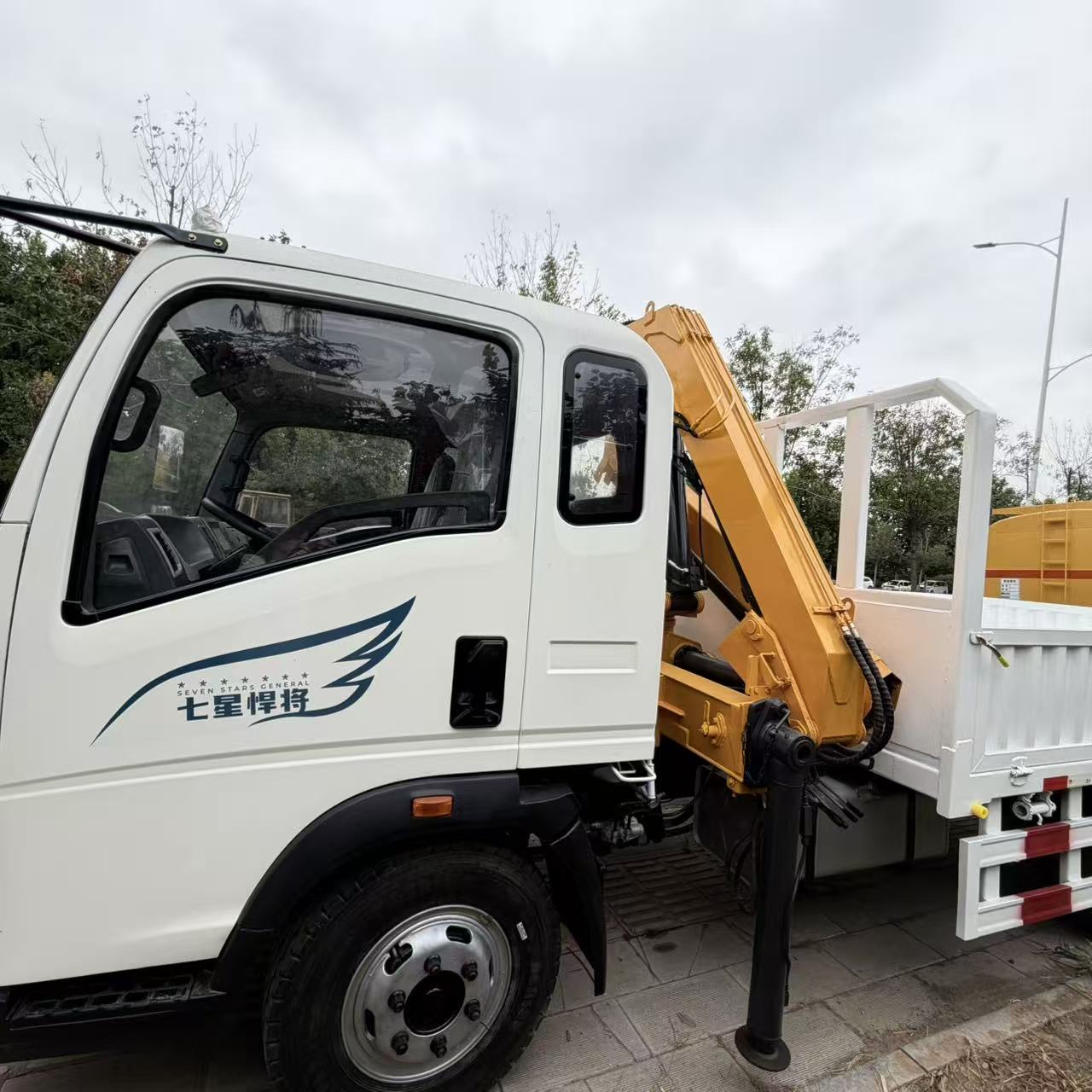
Engine overheating is one of the most common and harmful faults for truck mounted crane working on overseas construction sites. As a special heavy-duty engineering vehicle, the crane truck often operates under low-speed and high-load conditions, including frequent hoisting and long-time idling work, making its engine more prone to overheating than ordinary cargo trucks. Under high-temperature climates in Africa, the Middle East and Southeast Asia, export truck crane frequently suffers from high water temperature, power loss and thermal shutdown. Severe overheating will cause cylinder scuffing, bearing damage, radiator failure and costly engine overhaul. Learning effective methods to avoid truck crane engine overheating is essential to extend crane truck engine service life and reduce onsite downtime.
1. Common Causes of Crane Truck Engine Overheating
Irregular operation and insufficient daily maintenance are the main causes of thermal failure. Overloaded hoisting and long-time high-load idling keep the engine running beyond rated load. Dust, sediment and debris easily block the truck crane radiator, reducing air ventilation and heat dissipation. In addition, insufficient coolant, deteriorated antifreeze, aging water pipes, stuck thermostat and faulty cooling fan will directly lead to poor heat dissipation and continuous temperature rise, accelerating engine wear and increasing replacement frequency of truck crane spare parts.
2. Effective Methods to Avoid Engine Overheating
1) Standardize heavy-load hoisting operation
Always operate within the rated lifting capacity. Never overload or force long-time heavy-load hoisting, which causes instant engine overloading and rapid temperature rise. Arrange working intervals reasonably and avoid prolonged idling under load to maintain stable heat dissipation of the power system.
2) Clean radiator and water tank regularly
The radiator is the core heat dissipation component of the truck crane. Clean dust, sediment and impurities on the radiator and intercooler regularly, especially in dusty overseas working environments. Smooth ventilation ensures stable heat dissipation and avoids high temperature warning during continuous construction.
3) Maintain sufficient and qualified coolant
Check coolant level before every operation and never start the truck with insufficient water. Replace antifreeze coolant periodically to prevent scale accumulation and pipeline blockage caused by deteriorated cooling liquid. Use high-temperature resistant coolant to adapt to tropical and subtropical working conditions.
4) Inspect cooling fan and thermostat performance
Check fan rotating speed, fan clutch condition and belt tension regularly. Ensure the cooling fan provides stable air volume for heat dissipation. Test thermostat opening and closing sensitivity to avoid blocked water circulation and heat dissipation failure.
5) Avoid continuous high-temperature operation
Properly arrange rest intervals during high-temperature noon periods. Do not shut down the engine immediately after heavy work; keep idling for 3 to 5 minutes to cool down gradually, protecting the cylinder block, crankshaft and bearings from thermal damage.
3. Emergency Solutions for Engine Overheating
Once high water temperature alarm, power drop or overheating phenomenon appears, stop hoisting immediately and keep the engine idling for cooling. Check for water shortage, radiator blockage or fan failure. Do not resume work until the fault is completely eliminated to prevent permanent engine damage.
4. Long-term Maintenance Strategy
Build a complete daily maintenance system for truck mounted crane. Regularly inspect and maintain the heat dissipation system, engine and transmission system. Stock original truck mounted crane spare parts for timely replacement of aging components to ensure stable and reliable performance in long-term overseas heavy-duty construction.