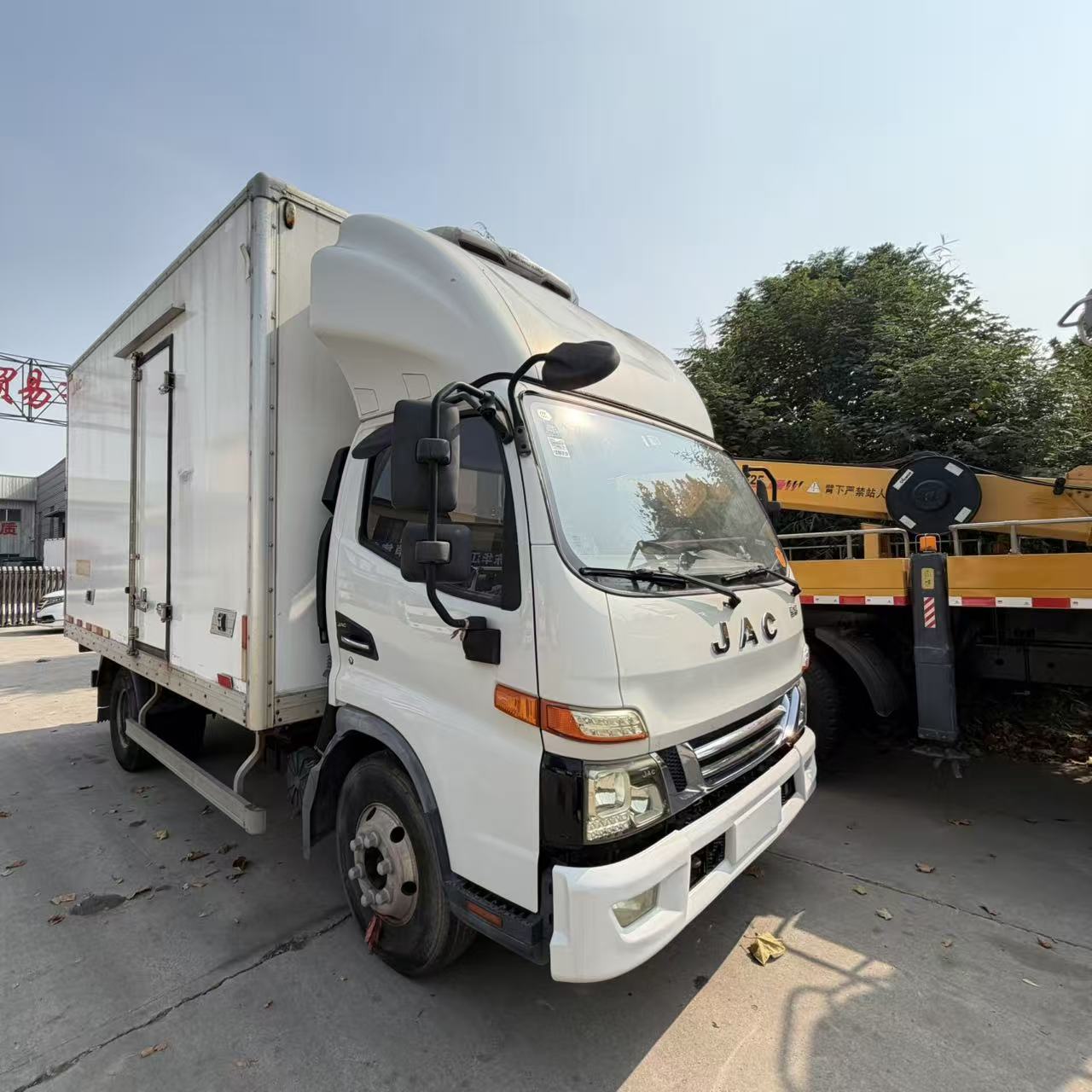
Many cold chain operators, fresh produce wholesalers and food merchants search for reefer truck prohibited cargo, goods not suitable for refrigerated truck and cold van forbidden freight when sourcing refrigerated van, reefer box truck, cold chain delivery truck, Isuzu reefer lorry and temperature controlled box van. Knowing restricted cargo types helps avoid illegal shipment, refrigeration unit damage, cargo loss and penalties from local traffic and customs authorities. A standard mechanical reefer van maintains stable temperature for fruits, vegetables, fresh meat, dairy and frozen food, but it is not suitable for all commodities. There are clear prohibited and restricted cargo categories.https://www.hjtrailer.com/truck/box-truck/light-refrigerated-truck.html
Flammable and explosive dangerous goods are strictly forbidden, including flammable solvents, paint cans, liquefied gas cylinders and reactive chemicals. A normal reefer van is not equipped with explosion-proof frames, flame-resistant pipelines or special dangerous-goods certifications. Sparks from electrical circuits or startup of the refrigeration unit may ignite volatile fumes. These hazardous materials must be carried by dedicated hazardous goods tankers or explosion-proof special trucks instead of regular cold box lorries.
Strong corrosive substances such as concentrated acid and alkaline solutions are also prohibited. If packaging leaks, the liquid will erode insulation foam, evaporators and pipelines inside the box, destroying thermal insulation and creating serious safety hazards for drivers.
Strong-smelling highly volatile cargo is not recommended, such as raw animal hides, concentrated essence liquids and chemical extracts. The sealed insulated compartment traps odors permanently inside foam and panel gaps. When the truck later transports fruits, dairy or cooked food, cross-contamination will ruin the whole shipment. Many countries' cold-chain transport rules place restrictions on these odorous goods.
Large bulk shipments of dry ice are risky in standard reefer vans. Dry ice sublimates into carbon dioxide. In the enclosed cold box, CO₂ concentration rises quickly and creates suffocation risk. Small amounts of dry ice for product cooling are only allowed with approved ventilation setups, following local transport regulations strictly.
Heavy sharp metal parts and machinery components with rough sharp edges are not suitable. The inner wall of a refrigerated truck is lined with fragile foam insulation. Sharp corners can tear box panels and puncture insulation layers, leading to cold leakage. The refrigeration unit will run continuously under heavy load and break down prematurely.
Dusty bulk cargo like cement powder, lime, feed dust and mineral powder should avoid reefer vans. Fine dust clogs evaporator fins and fan assemblies, cutting cooling performance and causing frequent cold machine failures. Dust residue is hard to clean and contaminates future food shipments.
Economically speaking, heavy construction materials, sand, stone and steel that do not require temperature control are poor choices for a reefer van. The insulated box has heavier curb weight and less usable space than a normal dry box truck. Running general cargo on refrigerated equipment wastes capacity and raises freight cost far above using a regular closed box van.
Ultra-low-temperature cryogenic goods such as liquid nitrogen products are another exception. Standard reefer units only cover the range from 0°C down to -20°C. They cannot maintain cryogenic temperatures. These special shipments require dedicated cryogenic refrigerated vehicles.
Our export reefer vans support LHD and RHD customization. Refrigeration brand, temperature range and insulation grade are configurable. Every truck passes insulation test, full-load cooling test and leak inspection before shipment with complete export certificates. If you run fresh food cold delivery, tell us your cargo types and target temperature. We help you check suitability and reduce transport risks. Contact us for configurations, FOB price, real truck photos and delivery lead time.