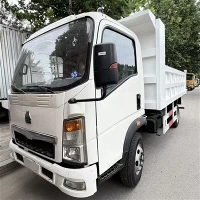
The clutch acts as the core power transmission component of the tractor head. Proper clutch clearance directly affects shifting smoothness and service life of the transmission system. For heavy duty tractor head exported overseas, continuous heavy-load operation on rough terrain will gradually wear the clutch friction plate and change the clearance. Regular inspection and adjustment of clutch clearance can effectively prevent common faults such as clutch slipping, incomplete separation and difficult gear shifting, ensuring stable operation for cross-border and long-haul freight projects.
-
Pre-adjustment Preparation
Park the vehicle on level ground, engage the hand brake and shut down the engine for cooling. Prepare wrenches, feeler gauges and other professional tools, and get familiar with the mechanical clutch structure of the tractor head. Under high-temperature and heavy-load working conditions in Africa and the Middle East, the clutch of export tractor head wears faster. Clutch clearance inspection should be included in routine maintenance schedules.
Safety reminder: All operations must be carried out after the engine is fully shut down and the gearbox pressure is released to avoid safety hazards caused by accidental startup.
-
Clutch Free Clearance Measurement
Locate the contact point between the clutch release fork and release bearing, and measure free clearance with a feeler gauge. The standard clearance must comply with the original factory technical specifications.
Excessive clearance: Insufficient clutch release travel, resulting in incomplete separation, gear grinding and difficult gear engagement.
Too small clearance: The release bearing keeps pressing against the friction plate, causing continuous clutch slip, burning friction plates and obvious power loss during heavy-load climbing.
-
Clearance Adjustment Operation
Adjust the clearance through the adjusting nut on the clutch pull rod:
Loosen the lock nut;
Rotate the adjusting screw to change the effective length of the pull rod and adjust the free clearance;
Measure repeatedly until the clearance meets factory requirements;
Tighten the lock nut to fix the position and prevent parameter shift caused by vibration during driving.
For hydraulic clutch structures, besides mechanical rod adjustment, check for oil leakage or trapped air inside hydraulic pipelines. Bleed the hydraulic system when necessary to keep stable clutch pedal travel.
-
Road Test after Adjustment
After adjustment, start the engine and test gear shifting at idle. Check the clutch pedal travel repeatedly and feel the engagement and disengagement performance. Then carry out low-speed road test, to check whether vehicle start and gear shift are smooth without abnormal noise or shaking. No abnormal symptoms mean the clutch clearance adjustment is completed.
-
Daily Maintenance Tips
Check clutch pedal travel regularly, and shorten maintenance intervals for heavy haulage scenarios. Keep sufficient stock of tractor head spare parts, including wear parts such as friction plates and release bearings. It helps overseas buyers conduct fast replacement and repair and minimize vehicle downtime.