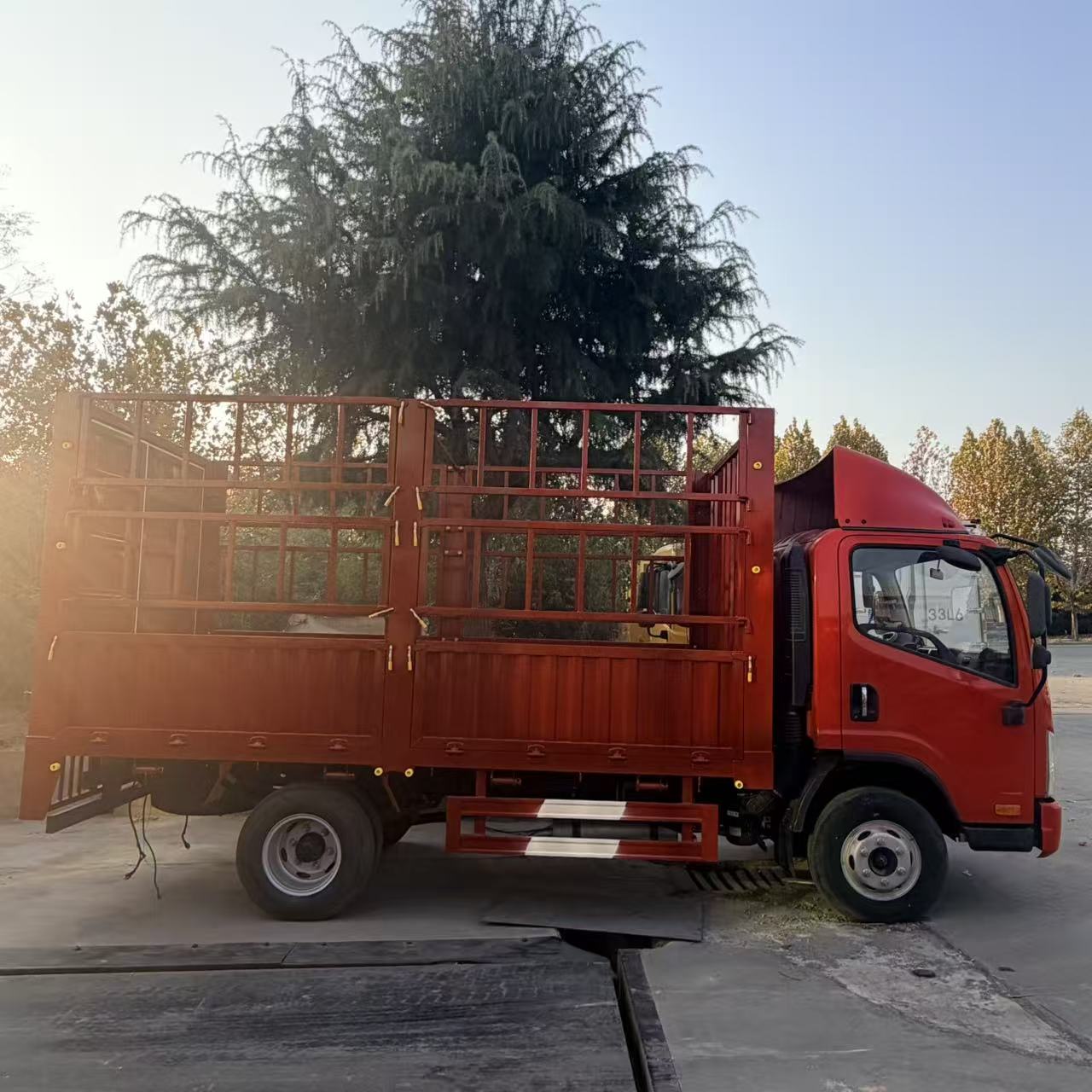
Box Truck vs High Fence Cargo Truck Guide. Many logistics contractors, farm owners and building material traders in Africa and Southeast Asia feel confused when choosing enclosed box trucks or high fence cargo trucks for their freight business. This guide compares structural differences, pros and cons, suitable cargo types and working conditions of box trucks and high fence cargo trucks. It helps overseas buyers select the right rigid cargo truck for local haulage, and it is a useful buying reference for 4×2 light trucks and 6×4 medium heavy-duty trucks for export.https://www.hjtrailer.com/truck/light-truck/stake-light-truck.html
A box truck comes with a fully enclosed cargo box with solid walls and roof. It usually has rear doors, and side doors or hydraulic tail lifts are optional upgrades. Its biggest benefits are rainproof, dustproof and anti-theft performance. Cargo stays safe from rain, dust and strong sunlight. It is ideal for moisture-sensitive, fragile and high-value goods, including packaged food, general merchandise, electronics, medicine, furniture and palletized carton goods. Box trucks work well for urban last-mile delivery, supermarket distribution, less-than-truckload freight and cross-border small cargo logistics. They are popular in rainy and humid Southeast Asia and West Africa coastal zones. The main drawbacks are limited loading access, most loading only from the rear. Over-height, over-width and irregular oversized cargo cannot be transported. The heavy box body reduces available payload, and box customization and later repair cost are relatively higher.
The high fence cargo truck features removable steel fence rails with an open top, and tarpaulins can be fitted for temporary rain protection. The fence panels can be taken down quickly, allowing loading and unloading from rear, side or top positions. Forklifts and cranes can operate directly, which greatly improves loading speed. The high fence body is lighter, so it delivers higher available payload on the same chassis. It can carry over-height, long and irregular cargo. It is widely used for grain, cereal, fresh fruit, vegetables, livestock, construction materials, steel pipes, timber, bagged aggregate and bulk pallet goods. It is the top choice for farm agricultural haulage, building material delivery, construction site supply and rural inter-village transport. It is widely adopted on inland African farms, gravel yards and rough rural roads. The disadvantage is that it lacks built-in weather protection. Tarpaulins must be prepared separately, and security and waterproof performance cannot match closed box trucks. Cargo is easy to get dirty on dusty roads, which brings higher risks for high-value shipments.
Quick Selection Tips
✅ Choose box truck: Cargo is sensitive to water and dust, high value; urban delivery, parcel express; long-term operation in rainy zones; standard palletized cargo.
✅ Choose high fence cargo truck: Agricultural produce, grain, fruit and vegetable transport; steel, pipes and long irregular cargo; side forklift loading required; higher payload demand with limited budget; farm and construction site haulage on rural roads.
Extra Tips for Overseas Buyers
Both truck types support left-hand drive and right-hand drive customization, with different body lengths and chassis brands available. If your fleet carries mixed goods including general cargo and construction materials, you can ask manufacturers for convertible cargo body solutions. Before purchasing, check local traffic regulations, tarpaulin cost and local spare parts availability. Many fleets in Southeast Asia and Africa keep both box trucks and high fence cargo trucks to handle different cargo separately.