

Hey there! As a grader supplier, I've always been fascinated by the history of these amazing machines. Graders, also known as motor graders, are essential pieces of equipment in the construction and maintenance of roads, highways, and other large - scale projects. Let's take a deep dive into their journey through time.
The Early Beginnings
The story of graders starts way back in the 19th century. In those days, road construction and maintenance were extremely labor - intensive tasks. Workers had to use simple hand tools like shovels, picks, and horse - drawn scrapers to level the ground and shape roads. It was a slow and arduous process.
The first attempts to mechanize the grading process came in the form of horse - drawn graders. These were basically large blades attached to a frame that could be pulled by horses. They were a significant improvement over manual labor, as they could cover more ground and create a more even surface. However, they still had their limitations. The power was limited to the strength of the horses, and they were difficult to maneuver on rough or uneven terrain.
The Advent of Motorized Graders
The real game - changer came in the early 20th century with the introduction of motorized graders. The first motorized graders were powered by steam engines. These early steam - powered graders were massive and heavy, but they offered much more power than their horse - drawn counterparts. They could move large amounts of earth and were used mainly for large - scale road building projects.
But steam engines had their drawbacks. They were slow to start up, required a large amount of water and fuel, and were difficult to maintain. As the internal combustion engine became more reliable and popular, it didn't take long for graders to make the switch.
In the 1920s and 1930s, gasoline - powered graders started to become more common. These graders were more compact, easier to operate, and provided better performance than steam - powered ones. They quickly became the standard in the construction industry. Manufacturers started to experiment with different designs and features to improve the functionality of graders.
Technological Advancements in the Mid - 20th Century
The mid - 20th century was a period of rapid technological advancement for graders. Hydraulic systems were introduced, which revolutionized the way graders operated. Hydraulic controls allowed for more precise movement of the blade, making it easier to create smooth and accurate grades. This was a huge step forward in terms of both efficiency and quality of work.
Another significant development was the improvement of the chassis and suspension systems. Graders became more stable and better able to handle different types of terrain. The introduction of all - wheel drive in some models also enhanced their maneuverability and traction, especially in difficult conditions.
During this time, manufacturers also started to focus on operator comfort. Cabs were designed to be more spacious, with better visibility and ergonomic controls. This not only made the job more comfortable for the operators but also increased productivity, as they could work longer hours without getting as tired.
The Rise of Specialized Graders
As the construction industry grew and diversified, the demand for specialized graders increased. One of the popular types that emerged is the Six - wheel Grader. The six - wheel design provides better weight distribution and traction, making it ideal for heavy - duty grading work on large construction sites. These graders can handle large volumes of material and are often used in projects like highway construction and large - scale land development.
On the other hand, the Four - wheel Grader offers more maneuverability. It's perfect for smaller, more confined spaces, like urban road repair or grading in residential areas. Four - wheel graders are also more fuel - efficient in many cases, making them a cost - effective choice for certain applications.
Modern - Day Graders
In today's world, graders are highly sophisticated machines. They are equipped with advanced GPS and laser - guided systems that allow for extremely accurate grading. These systems can be programmed to create precise slopes and levels, reducing the margin of error to a minimum. This not only improves the quality of the finished work but also speeds up the construction process.
Modern graders are also more environmentally friendly. Many manufacturers are using cleaner - burning engines and implementing technologies to reduce emissions. They are also designed to be more fuel - efficient, which helps to lower operating costs and reduce the environmental impact.
The Future of Graders
Looking ahead, the future of graders seems very promising. With the continuous development of technology, we can expect to see even more advanced features. Autonomous operation is one area that is likely to see significant growth. Self - driving graders could potentially work around the clock without breaks, increasing productivity and reducing the risk of human error.
Artificial intelligence could also play a big role. AI - powered graders could analyze the terrain in real - time, adjust the grading process on the fly, and make decisions to optimize the work. This would result in even more efficient and high - quality projects.
Why Choose Our Graders?
As a grader supplier, we've been keeping up with all these historical developments and technological advancements. We offer a wide range of graders, including both six - wheel and four - wheel models, to meet the diverse needs of our customers. Our graders are built with the latest technology, ensuring high performance, reliability, and efficiency.
Whether you're working on a large - scale highway project or a small residential road repair, we have the right grader for you. Our experienced team is always ready to provide you with the best advice and support to help you choose the most suitable grader for your specific requirements.

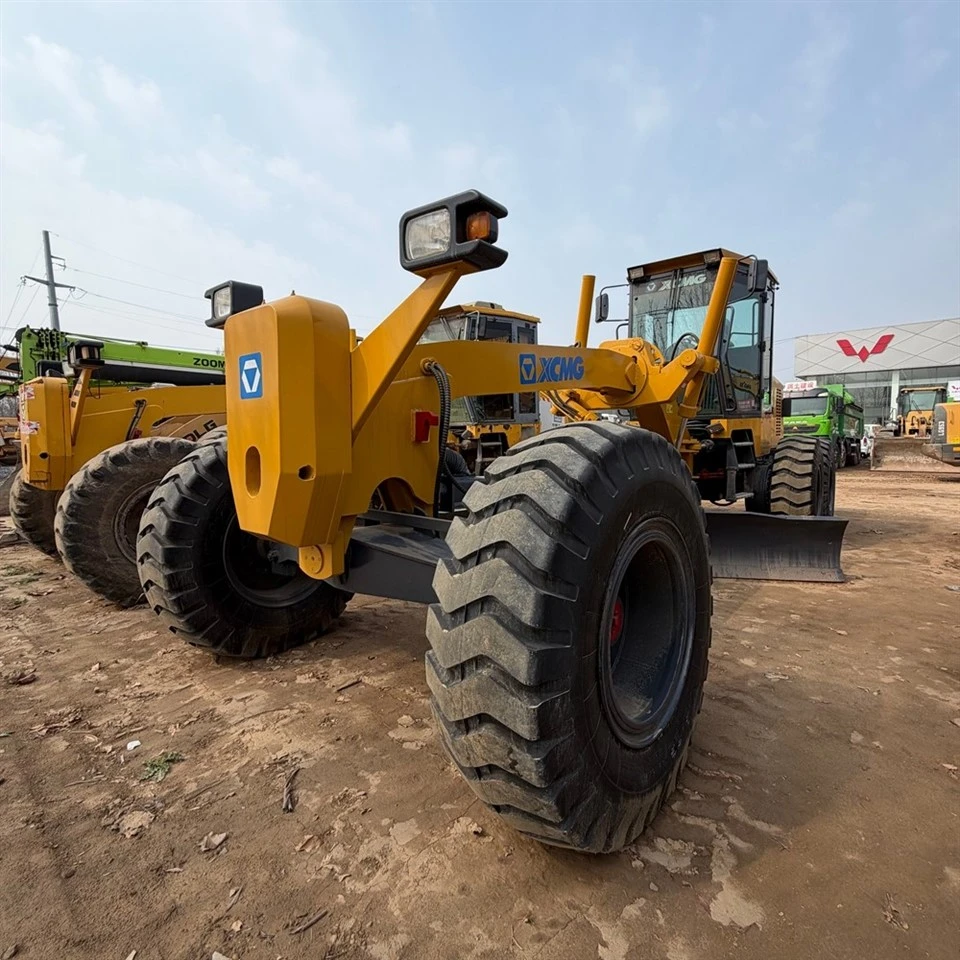
If you're in the market for a grader, don't hesitate to reach out to us. We'd love to have a chat with you about your project and see how we can help. Contact us today to start the procurement process and take your construction projects to the next level.
References
- Construction Equipment History books from local libraries
- Industry journals from leading construction equipment magazines
- Interviews with experienced graders operators and industry veterans over the years.