

When it comes to box semi - trailers, one crucial aspect that often requires attention is the height adjustment. As a well - established box semi - trailer supplier, I've seen firsthand how proper height adjustment can significantly impact the performance, safety, and efficiency of these vehicles. In this blog post, I'll share in - depth insights into how to adjust the height of a box semi - trailer.
Understanding the Importance of Height Adjustment
Before diving into the adjustment process, it's essential to understand why height adjustment matters. First and foremost, maintaining the correct height ensures optimal stability during transportation. A trailer that's too high or too low can cause handling issues, increased risk of roll - overs, and uneven tire wear. Moreover, proper height is necessary to meet bridge clearance requirements, road regulations, and to ensure seamless coupling with the tractor unit.

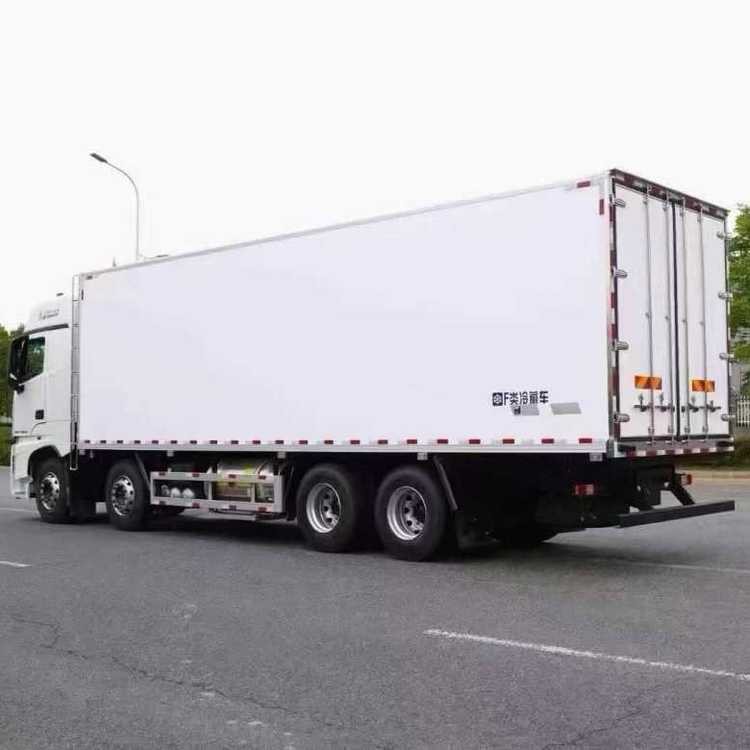
Secondly, the height can affect the weight distribution. A trailer with incorrect height may transfer too much or too little weight to the tractor's fifth - wheel, which can lead to poor traction, increased wear on the coupling components, and potential safety hazards on the road.
Types of Box Semi - Trailers
There are several types of box semi - trailers, each with its own unique characteristics and applications:
- Box - type Semi - trailer: This is the most common type, featuring a fully enclosed box structure. It's ideal for transporting general cargo, protecting it from the elements, theft, and damage.
- Side - curtain Container Semi - trailer: This trailer has side curtains that can be rolled up, providing easy access to the cargo from the sides. It's a great option for loading and unloading large or irregularly shaped items.
- Refrigerated Box Semi - trailer: Designed for transporting perishable goods, this trailer is equipped with a refrigeration unit to maintain a specific temperature inside the box.
- Heavy - duty Box Trailer: Built to handle heavy loads, this trailer has a robust structure and is often used in industries such as construction and mining.
Tools Required for Height Adjustment
Before you start adjusting the height of your box semi - trailer, gather the necessary tools:
- A reliable floor jack or a hydraulic jack: This will be used to lift the trailer to the desired height. Make sure the jack has a sufficient weight - capacity rating for your trailer.
- A set of jack stands: These are essential for supporting the trailer safely once it's lifted. Always use high - quality jack stands and ensure they are placed on a stable surface.
- A tape measure: To accurately measure the height of the trailer before and after adjustment.
- Wrenches or sockets: Depending on your trailer's suspension system, you may need these tools to loosen or tighten bolts and nuts.
Step - by - Step Guide to Adjusting the Height
Step 1: Prepare the Trailer
Park the box semi - trailer on a flat, level surface. Engage the parking brake and chock the wheels to prevent the trailer from rolling during the adjustment process. It's also a good idea to unload the trailer if possible, as the weight can affect the accuracy of the adjustment.
Step 2: Measure the Current Height
Use the tape measure to measure the height of the trailer at several points, such as the front, middle, and rear. Measure from the ground to a fixed point on the trailer frame. Record these measurements for reference.
Step 3: Lift the Trailer
Place the floor jack under the appropriate lifting points on the trailer frame. These points are usually indicated in the trailer's owner's manual. Slowly pump the jack to lift the trailer off the ground to a sufficient height to work safely. Once the trailer is lifted, place the jack stands under the frame for additional support. Double - check that the trailer is stable and not rocking.
Step 4: Locate the Suspension Adjustment Points
The suspension system of a box semi - trailer is where the height adjustment takes place. There are different types of suspension systems, such as leaf spring suspension, air suspension, and torsion bar suspension.
- Leaf Spring Suspension: If your trailer has a leaf spring suspension, the height can often be adjusted by adding or removing leaf springs or by adjusting the shackle bolts. Loosen the bolts that hold the leaf springs to the axle and the frame. You can then either add an extra leaf spring to increase the height or remove one to decrease it. After making the adjustment, tighten the bolts securely.
- Air Suspension: Air suspension systems are more common in modern box semi - trailers. To adjust the height, you'll need to locate the air valves and the air bags. Use a pressure gauge to measure the air pressure in the bags. If you want to increase the height, use an air compressor to add air to the bags. To decrease the height, release some air from the bags through the air valves. Monitor the height with the tape measure as you make the adjustments.
- Torsion Bar Suspension: For trailers with torsion bar suspension, the height adjustment is usually done by adjusting the torsion bars. This involves using a wrench to turn the adjustment bolts on the torsion bars. Turning the bolts in one direction will increase the height, while turning them in the opposite direction will decrease it. Make small adjustments at a time and measure the height frequently.
Step 5: Lower the Trailer and Re - measure
Once you've made the necessary adjustments to the suspension, slowly lower the trailer using the floor jack. Remove the jack stands and measure the height of the trailer again at the same points as before. Compare the new measurements with your desired height. If further adjustment is needed, repeat the lifting and adjustment process until the desired height is achieved.
Safety Considerations
- Proper Lifting: Always follow the correct procedures when lifting the trailer. Use a jack with an appropriate weight capacity and ensure it's placed on a stable surface. Never work under a trailer that's only supported by a jack.
- Wear Safety Gear: Wear safety glasses, gloves, and appropriate footwear when working on the trailer. This will protect you from potential injuries, such as flying debris or sharp edges.
- Check for Leaks: If your trailer has an air suspension system, check for air leaks after making the height adjustment. A leak can cause the trailer to lose air pressure and change its height over time.
- Test Drives: After adjusting the height, take the trailer for a short test drive. Pay attention to how the trailer handles, any unusual noises, or changes in the ride quality. If you notice any issues, stop driving and re - check the height adjustment.
Contact for Procurement and Consultation
If you're in the market for a box semi - trailer or need further advice on height adjustment or other trailer - related matters, don't hesitate to contact us. Our team of experts is always ready to assist you with your questions and provide you with the best solutions for your transportation needs.
References
- Various box semi - trailer user manuals
- Industry - standard handbooks on trailer maintenance and operation
- Seminars and workshops on heavy - vehicle transportation and trailer technology