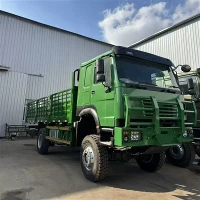
Box trucks, also known as enclosed cargo lorries, are widely used for general goods delivery, commodity distribution, cross-town logistics and fragile cargo transport. The sealing structure is one of the most critical designs of a box truck, which blocks rainwater, dust and outside moisture, protecting the cargo inside from getting wet, dirty or damaged. This introduction fits SHACMAN, HOWO, JAC and other mainstream light and medium-duty box trucks, helping fleet buyers understand how the box sealing system works.https://www.hjtrailer.com/truck/box-truck/light-duty-box-truck.html
The main sealing components of the cargo box include rubber sealing strips, compression pressing edges, door locking mechanisms, corner sealing gaskets and roof drainage structures. The rubber sealing strip is the core part. It is usually made of wear-resistant, aging-resistant EPDM rubber, fixed along the door frame of the cargo box. When the rear door or side door is locked tightly, the sealing strip compresses evenly to fill the gap between the door and the box frame, preventing rain and dust from seeping in.
The door lock and compression structure work together with the sealing strips. High-quality box trucks adopt multi-point latch locks. These latches generate even squeezing force on the door, so the sealing strip gets consistent compression all around the door frame, instead of partial loose sealing that causes water leakage. Poor locking design often leads to gaps at the door corners, which is the most common leaking spot for ordinary box lorries.
Corner gaskets and transition seals are installed at the four corners of the box door. Corners are easy to form gaps after welding and assembly. These auxiliary gaskets fill tiny seams at joints and block water capillary penetration. Meanwhile, the top of the cargo box is designed with an integral sloped drainage groove. Rainwater flows along the gutter to the drainage outlets on both sides, avoiding standing water on the roof that may seep through the box panel joints.
There are two common sealing types for box truck bodies: integral adhesive sealing and detachable strip sealing. Integral adhesive sealing has good waterproof performance, suitable for trucks carrying electronics, textiles and packaged goods that require strict moisture protection. Detachable rubber strip sealing is easier to maintain and replace, convenient for fleet users who need regular inspection and part change.
Proper maintenance of the sealing structure extends its waterproof life. Drivers should check sealing strips regularly for cracking, hardening and peeling. Keep the sealing surface clean, remove sand and debris stuck on the rubber. Avoid hitting the door roughly, which will deform the frame and destroy the sealing gap.
A reliable sealing structure keeps cargo dry and clean during long-distance and rainy-day transport. If you need box trucks for goods delivery, you can pay attention to the sealing strip material, multi-point door lock and roof drainage design.