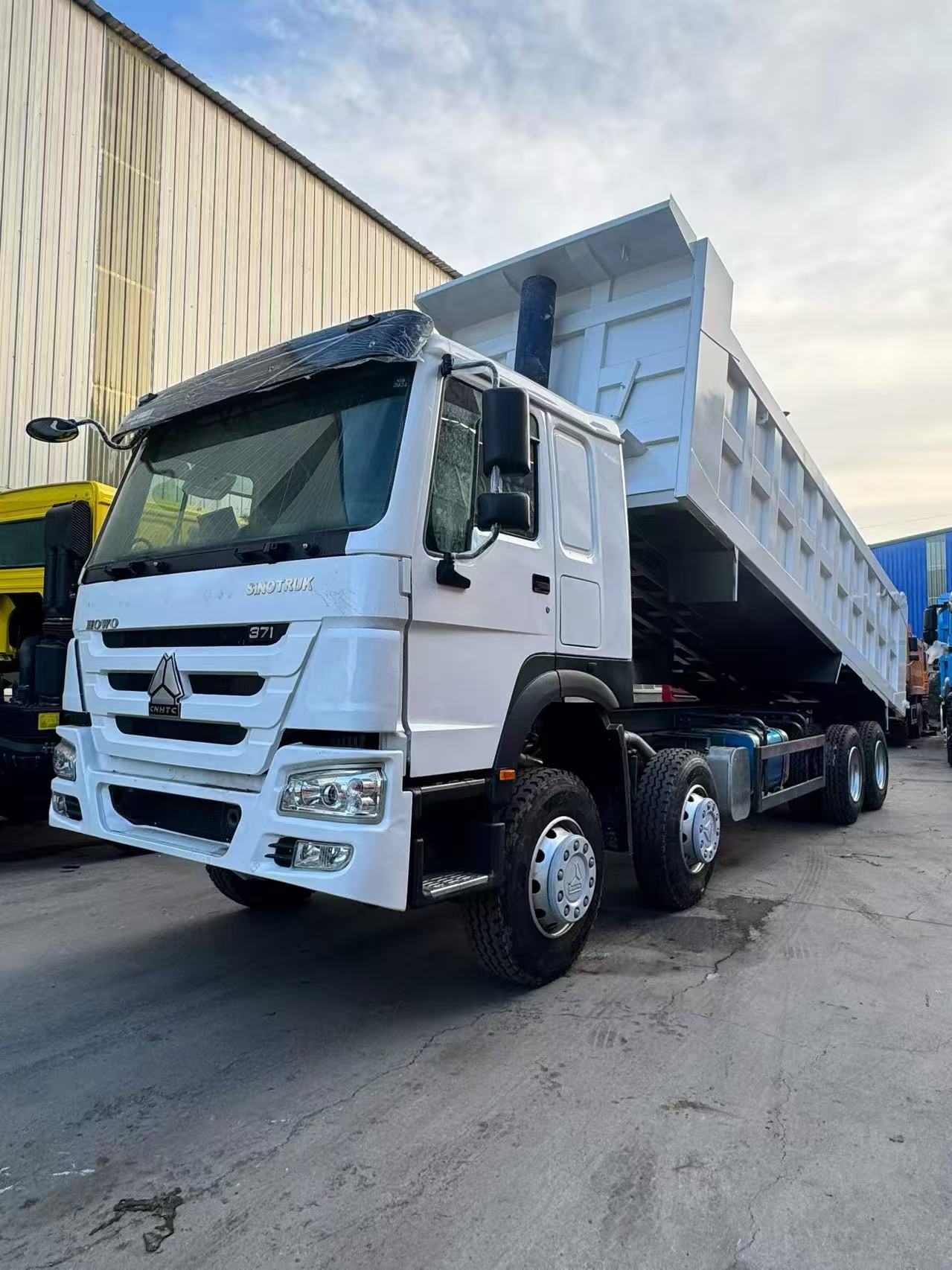
Cargo sticking inside the dump box is a common headache for tipper trucks working in quarry sites, sand pits, mud transport and wet earthmoving projects. When wet clay, sticky soil, damp gravel and wet mineral materials adhere to the dump truck cargo box, residual materials cannot slide out completely during unloading. This leftover cargo increases dead weight, wastes fuel, reduces effective loading capacity and even causes uneven weight distribution that raises the side overturn risk for 6x4 and 8x4 heavy dump trucks. This practical guide shares effective ways to reduce material adhesion and stop sticky cargo buildup on tipper truck beds.https://www.hjtrailer.com/truck/dump-truck/mason-dump-truck.html
First, choose suitable cargo box lining materials. Many fleet operators install high-density polyethylene liner plates on the inner surface of the dump body. This smooth low-friction plastic lining resists bonding with wet mud and clay, helping materials slide off smoothly. Steel liners are durable but have higher surface friction, which is easier for wet materials to stick. Avoid rough welding beads and uneven welding marks inside the cargo box. All welding seams should be polished smooth; rough surfaces are the main spot where sticky materials start to cling.
Control the moisture of loaded materials as much as possible before loading. Excess water in clay, silt and ore slurry is the primary reason for sticking. If the construction site allows, let wet materials air dry slightly before loading onto the tipper truck. If you have to transport highly viscous wet materials, avoid overfilling the cargo box. Leave proper space at the top, so the material will not squeeze tightly against the box walls and form compact sticky layers.
Follow correct unloading operation habits. Park the dump truck on firm, flat ground before lifting the box. Raise the cargo bed at a steady, moderate speed instead of lifting too fast. Rapid lifting can compact sticky materials further. If residues remain, you can gently shake the cargo box by lowering and lifting repeatedly within the safe range, do not hit the side of the dump body with heavy tools. Hammering the box will dent the steel plate, create rough pits and make sticking problems worse over time.
Keep the dump box clean after each unloading cycle. Clean off leftover mud and clay regularly. Once sticky mud dries and hardens on the plate, it will form a base layer, and new materials will stick to this hardened residue much easier. You can also use approved anti-stick release agents suitable for dump truck beds. Spray a thin layer before loading sticky materials; make sure the selected agent will not contaminate the transported sand, soil or mineral products.
Regular inspection and maintenance also matter. Check for rust spots, corrosion and deformation inside the cargo box. Rusty surfaces are porous and hold mud tightly. Repair dents and rust areas in time and maintain a smooth inner surface of the tipper body. Combining smooth lining, moisture control and standardized unloading steps can greatly cut cargo sticking issues and improve unloading efficiency for your dump truck fleet.
If you have requirements for heavy tipper trucks and dump body customization, feel free to get in touch with us.