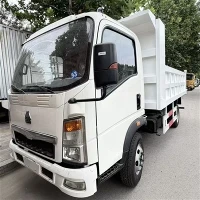
A fuel tanker, also known as oil tanker truck or diesel tanker trailer, is specially designed for safe transportation of gasoline, diesel and other liquid petroleum products. During long-term transportation, oil sludge, sediment, gum and rust deposits will gradually accumulate on the inner wall of the fuel tanker tank. Regular cleaning of the fuel tanker inner tank can avoid fuel contamination, protect the tank lining, reduce pipeline blockage, extend the service life of the oil tanker truck, and guarantee fuel quality for downstream clients. For fleet operators running fuel transport business in Africa, Middle East and other overseas markets, mastering standard tank cleaning procedures is essential for daily vehicle maintenance.https://www.hjtrailer.com/truck/tank-truck/shacman-6-4-fuel-tanker-truck.html
-
Pre-cleaning safety preparation and degassing treatment
Safety is the top priority before cleaning the fuel tanker inner tank. First, fully drain residual fuel inside the tank, close all inlet and outlet valves, and disconnect the tanker from the tractor head. Conduct forced ventilation to discharge flammable oil vapor from the enclosed tank space. Professional gas detection equipment must be used to continuously monitor oxygen concentration and lower explosive limit inside the tank. Never allow workers to enter the tank before gas testing passes. All lighting tools and pumps applied in the cleaning site must be explosion-proof to prevent static sparks and explosion risks. Operators need to wear complete PPE including breathing masks, anti-static overalls and safety harness for confined-space operation.
-
Common cleaning methods for fuel tanker inner tank
There are four mainstream cleaning options for liquid fuel tanker tank, and fleets can select solutions based on tank material and sludge thickness.
High-pressure water jet cleaning: This is the most widely adopted method. High-pressure water jets spray all inner surfaces to wash away loose oil sludge and sediment. It is suitable for routine periodic maintenance of carbon steel fuel tankers.
Steam cleaning: Hot steam melts hardened grease and thick oil deposits sticking on tank walls. It works well for tankers transporting heavy diesel for a long time.
Chemical cleaning: Special oil-soluble cleaning agents dissolve stubborn coking and heavy sludge. After chemical soaking, rinse repeatedly to eliminate chemical residues, preventing contamination of new fuel.
Dry cleaning: Use vacuum suction and manual scraping without large amounts of water, ideal for scenarios requiring quick tank reuse.
-
Inner wall washing, rinsing and sludge removal
After loosening the deposits, remove sludge and waste residue from the tank bottom and baffles. Scrub the tank inner surface gently; avoid hard abrasive tools that scratch the anti-corrosion coating of the fuel tanker body. Scratches will accelerate rusting and cause fuel leakage risk in the future. Perform multiple rounds of rinsing until the draining water becomes clear without oil traces. All wastewater and oil sludge generated during cleaning should be collected and disposed of in compliance with local environmental regulations, and cannot be discharged randomly.
-
Drying, inspection and acceptance after cleaning
After rinsing, fully ventilate and dry the tank interior thoroughly. Residual moisture inside the tank will cause rust and fuel emulsification. Once dried, carry out visual inspection for inner wall corrosion, coating damage, crack and baffle looseness. Check all pipeline interfaces, manhole gaskets and sealing parts. If any corrosion or coating damage is found, repair anti-corrosion lining before putting the oil tanker trailer back into service. Only after full acceptance can the tanker be loaded with fuel again.
-
Regular maintenance tips to reduce tank contamination
Proper daily operation can reduce sludge accumulation inside the fuel tanker tank. Filter fuel before loading, avoid transporting impure crude oil or poor-quality diesel. Clean the tank at fixed cycles; the recommended cleaning cycle is shorter for tankers operating in dusty high-temperature areas such as Africa. Regularly inspect manhole seals to stop rainwater, sand and impurities entering the tank during transit.
Conclusion
Systematic cleaning of the fuel tanker inner tank protects tank structure, ensures fuel purity and reduces unexpected breakdowns of fuel transport vehicles. If you want to buy reliable fuel tanker trucks, stainless steel oil tank semi-trailers or related tanker spare parts for your bulk liquid transport fleet, feel free to contact us for detailed specifications and competitive export prices.