

A grader blade is a critical component of a grader, which is widely used in construction, road maintenance, and land leveling projects. As a grader supplier, I've witnessed firsthand how the performance of a grader is significantly influenced by the condition of its blade. Over time, grader blades wear out, and it's essential for operators and project managers to recognize the signs of a worn-out grader blade. This blog post will discuss the key indicators that suggest a grader blade needs replacement.
Visual Inspection Signs
1. Blade Edge Wear
One of the most obvious signs of a worn-out grader blade is the wear on its cutting edge. When a grader blade is new, the cutting edge is sharp and well-defined. However, after continuous use, the edge gradually becomes dull and rounded. This wear occurs due to the friction between the blade and the surface it is grading, such as soil, gravel, or asphalt.
A dull blade edge reduces the grader's efficiency as it requires more force to cut through the material. You may notice that the grader has to work harder, and the engine may rev higher than usual. In some cases, the blade may not be able to cut through the material cleanly, leaving behind rough patches on the graded surface.
2. Cracks and Chips
Inspect the grader blade for cracks and chips. These can develop over time due to the stress and impact the blade experiences during operation. Cracks can start small at the edge of the blade and gradually spread across the surface. Chips, on the other hand, are small pieces of the blade that break off.
Cracks and chips not only compromise the structural integrity of the blade but also affect its performance. A blade with cracks or chips may not be able to maintain a consistent cutting edge, leading to uneven grading. Moreover, if a large crack or chip goes unnoticed, it can cause the blade to break completely during operation, which can be dangerous and costly to repair.
3. Blade Surface Erosion
The surface of the grader blade can also show signs of erosion. Erosion occurs when the blade is exposed to abrasive materials, such as sand or gravel, for an extended period. This can cause the surface of the blade to become pitted and rough.
Eroded blade surfaces can lead to increased friction between the blade and the material being graded. As a result, the grader may require more power to operate, and the fuel consumption may increase. Additionally, the rough surface can cause the graded material to stick to the blade, further reducing its efficiency.
Performance - Related Signs
1. Inconsistent Grading Results
A worn-out grader blade often results in inconsistent grading. You may notice that the graded surface has uneven heights or slopes. This can be due to the blade's inability to maintain a uniform cutting depth or angle.
For example, if the blade is worn more on one side than the other, it will cut deeper on that side, resulting in an uneven surface. Inconsistent grading can be a major problem in construction projects where precise leveling is required, such as building foundations or road surfaces.
2. Increased Material Resistance
As the blade wears out, it becomes more difficult to push through the material being graded. This increased resistance can be felt in several ways. The grader's steering may become more difficult as the blade encounters more friction, and the operator may have to apply more force to turn the machine.
The engine may also struggle to maintain the required speed, and you may notice a decrease in the grader's overall performance. In some cases, the grader may even stall if the resistance is too high.
3. Excessive Vibration
A worn-out grader blade can cause excessive vibration in the grader. This vibration is often due to the uneven cutting action of the blade. When the blade is not cutting smoothly, it can cause the grader to shake, which can be felt by the operator in the cab.
Excessive vibration not only affects the operator's comfort but can also lead to premature wear and tear on other components of the grader, such as the engine, transmission, and hydraulic system. It can also cause the grader to deviate from its intended path, resulting in poor grading results.
Types of Graders and Blade Wear
When considering grader blades, it's important to note that different types of graders may experience wear in different ways. We offer two popular types of graders: the Six-wheel Grader and the Four-wheel Grader.
Six-wheel graders are generally more stable and powerful, which can put more stress on the blade during heavy-duty grading tasks. As a result, the blade may wear out more quickly, especially if it is used to grade hard or abrasive materials.
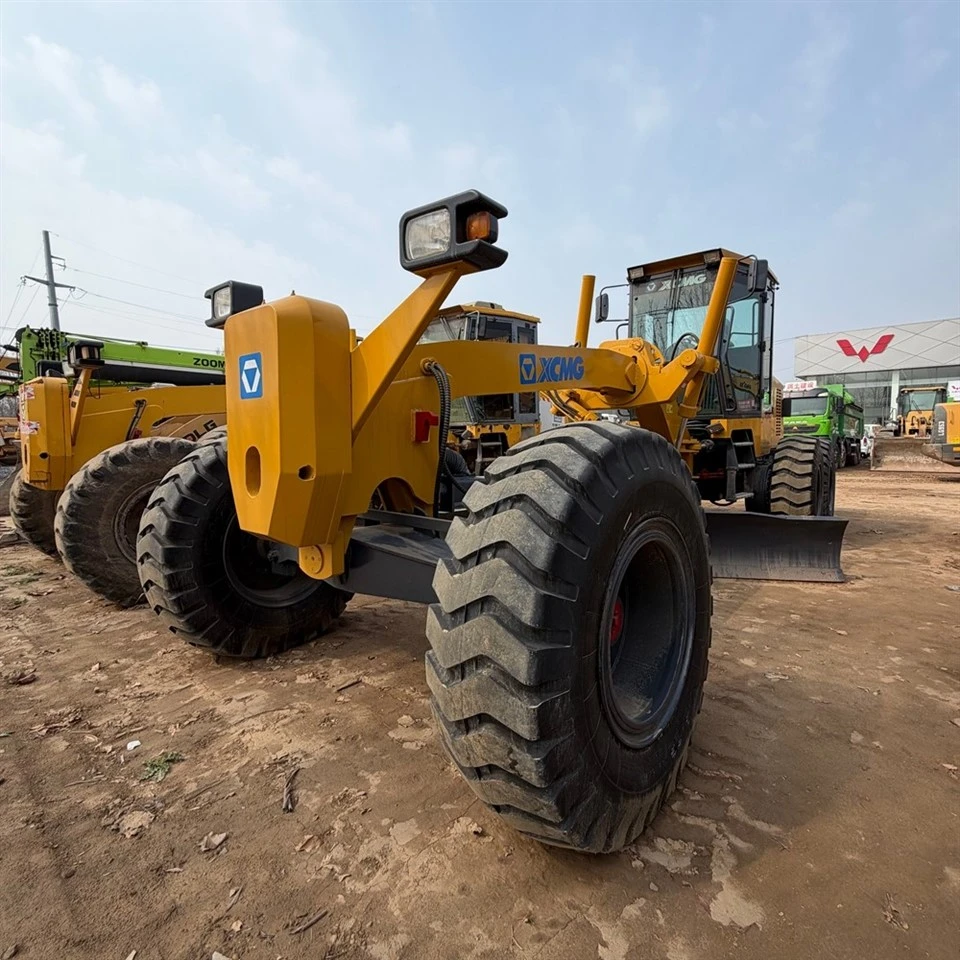

Four-wheel graders, on the other hand, are more maneuverable and are often used for lighter grading tasks. The blade on a four-wheel grader may wear out at a slower rate, but it is still important to monitor its condition regularly.
What to Do When You Notice These Signs
If you observe any of the signs of a worn-out grader blade, it's important to take action promptly. Continuing to use a worn-out blade can lead to more serious problems, such as damage to the grader itself or poor quality grading results.
The first step is to inspect the blade carefully to determine the extent of the wear. If the wear is minor, you may be able to sharpen the blade or repair small cracks and chips. However, if the blade is severely worn or damaged, it should be replaced immediately.
As a grader supplier, we offer a wide range of high-quality grader blades that are designed to withstand the rigors of construction and grading work. Our blades are made from durable materials and are engineered to provide optimal performance.
Conclusion
Recognizing the signs of a worn-out grader blade is crucial for maintaining the efficiency and performance of your grader. By regularly inspecting the blade for visual wear, monitoring grading results, and being aware of changes in the grader's performance, you can ensure that your grader operates at its best.
If you are experiencing any issues with your grader blade or are considering upgrading to a new blade, we encourage you to contact us for more information. Our team of experts is ready to assist you in finding the right solution for your grading needs. Whether you are in the market for a Six-wheel Grader or a Four-wheel Grader, we have the products and knowledge to support your project.
References
- Construction Equipment Handbook: Covers general knowledge about grader operation and maintenance.
- Grader Manufacturer's Technical Manuals: Provide detailed information on specific models and their components.